
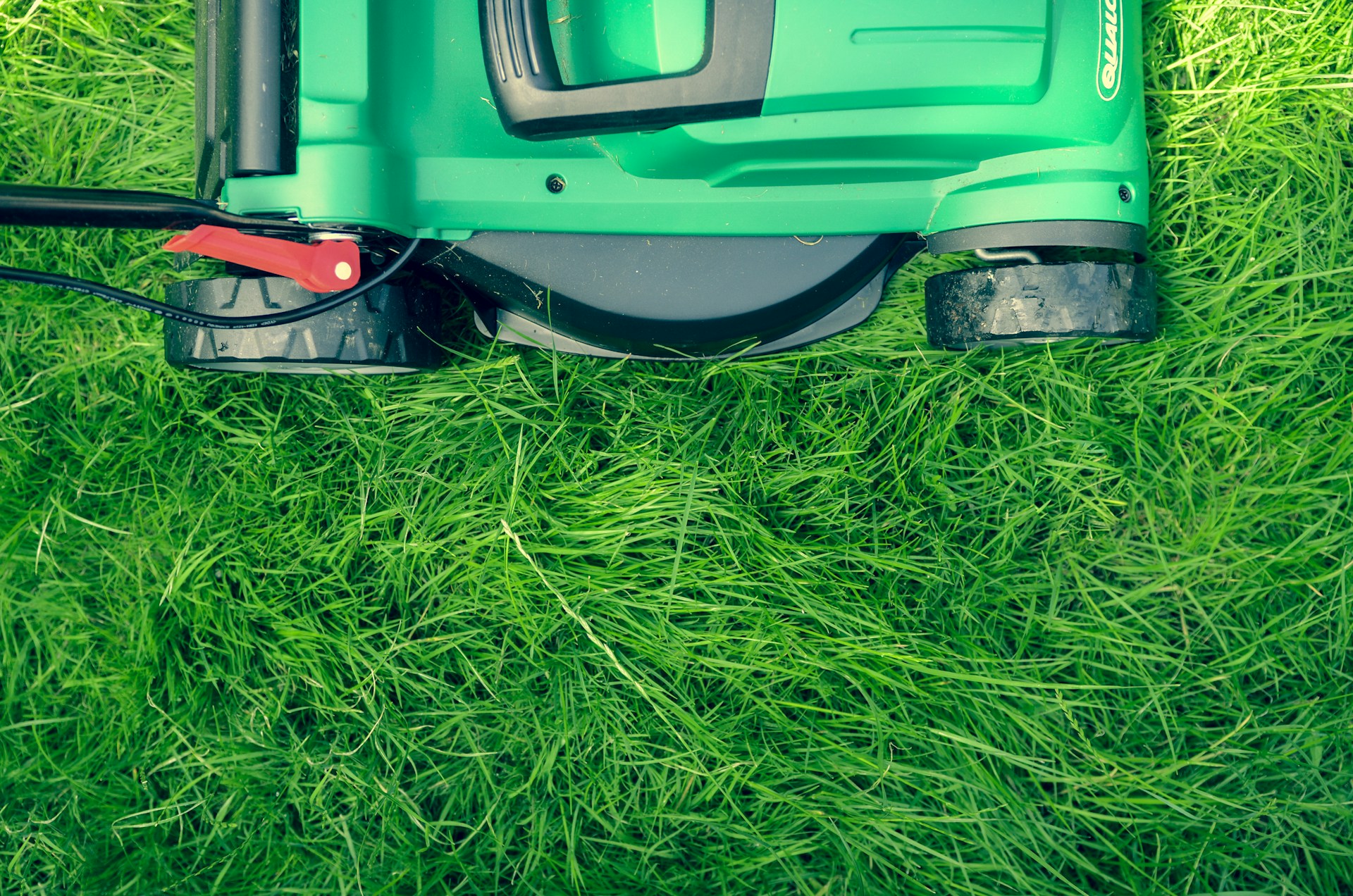
Mulch Mowing vs. Bagging: What's Best for Your Lawn?
You might be surprised to learn that mulch mowing actually has nothing to do with what you may technically consider mulch! However, for those of us in the landscaping and lawn care industry, an often-debated topic is whether to mulch mow or bag your grass clippings. Each method has its own set of advantages and considerations. The question is: Which is best for your lawn? Let’s find out.
Mulch Mowing: Nourishing Your Lawn Naturally
Mulch mowing involves finely chopping grass clippings and leaving them on the lawn to decompose. This process, often referred to as “grasscycling,” returns valuable nutrients back to the soil. While you can use a mulching mower, which is specifically designed to chop your clippings into fine particles, a regular mower will work as well as long as the grass isn’t cut too short.
Benefits for Your Lawn:
- Nutrient Recycling: Grass clippings are rich in nitrogen, phosphorus, and potassium, which are essential for healthy grass growth. By mulching, you recycle these nutrients, which reduces the need for chemical fertilizers.
- Soil Health: Decomposing clippings improve soil structure, enhance moisture retention, and promote beneficial microbial activity.
- Less Time and Effort: Without the need to bag and dispose of clippings, you save time and reduce yard work.
What to Consider:
- Clipping Size: Make sure that your clippings are finely chopped to prevent them from clumping and potentially smothering the grass.
- Mowing Frequency: Regular mowing is essential to keep your clippings manageable and prevent thatch buildup.
Bagging Your Grass for a Well-Manicured Look
Exactly as it sounds, the practice of grass bagging means collecting your clippings during mowing, keeping the lawn clean and free of debris. This is typically done using either a lawnmower with a bagging attachment or manually raking up your clippings.
Benefits for Your Lawn:
- Aesthetic Appeal: Bagging provides a clean, manicured look, which is often preferred for formal lawns.
- Disease Management: Removing clippings can help prevent the spread of lawn diseases, especially if the grass is diseased.
- Weed Control: Bagging helps remove weed seeds, reducing the potential for new weed growth.
What to Consider:
- Nutrient Loss: Bagging can remove valuable nutrients from the lawn, which may necessitate additional fertilization.
- More Work for You: The process of bagging and disposing of clippings adds extra time and effort to lawn maintenance.
Which Should You Choose?
The decision between mulch mowing and bagging depends on your lawn’s specific needs and your personal preferences:
- Opt for Mulch Mowing if you prioritize soil health, nutrient recycling, and reduced yard work.
- Choose Bagging if you desire a pristine lawn appearance, need to manage lawn diseases, or prefer to remove clippings for composting.
We Can Help!
Both mulch mowing and bagging have their place in lawn care. Understanding the benefits and considerations of each method allows you to make an informed decision that aligns with your lawn care goals. Remember, the best choice is one that suits your lawn’s needs and your lifestyle.
What’s more, if you’re ever unsure about your lawn care routine or need an expert touch, Musselman can help. Contact us today for a consultation!

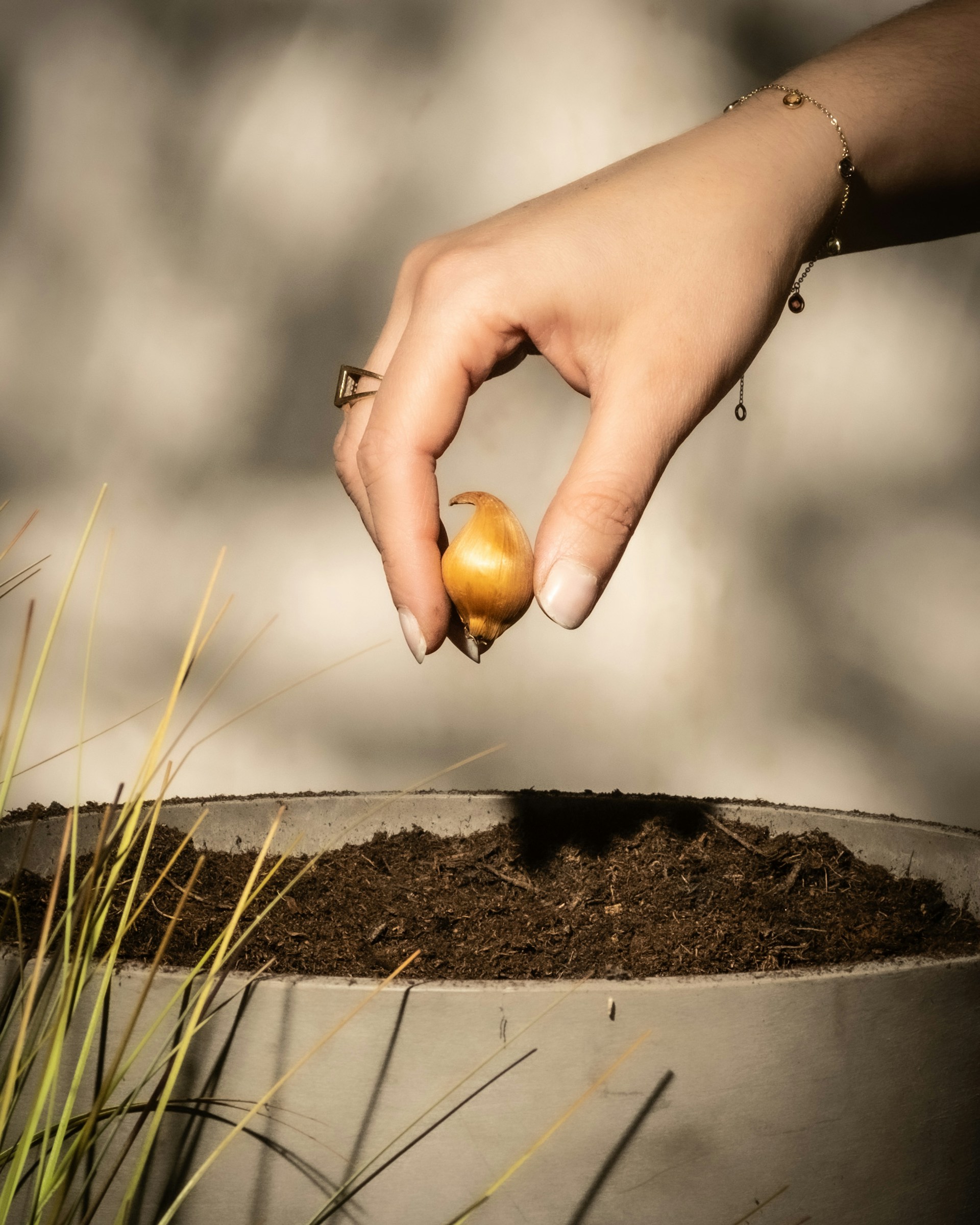
The Best Flower Bulbs to Plant in Fall for a Beautiful Spring in Indiana
The Best Flower Bulbs to Plant in Fall for a Beautiful Spring in Indiana
If you want a yard bursting with color next spring, the best time to start is now. Fall is the perfect season to plant spring-blooming flower bulbs in Central Indiana. Cooler temperatures and warm soil create ideal conditions for root development, ensuring your bulbs rest easy through winter and wake up strong in early spring. Here are our recommendations for the best flower bulbs to plant in the fall.
Why Plant Flower Bulbs in the Fall?
When planted in the fall, flower bulbs have time to establish roots before the ground freezes. They then spend the winter in a state of natural dormancy, emerging when temperatures rise. Central Indiana’s climate provides the perfect rhythm for this process—cool, moist soil followed by a deep freeze that triggers spring growth.
The Best Bulbs for Central Indiana Gardens
Here are some tried-and-true flower bulbs to plant in fall that will thrive in our region this planting season:
- Tulips: A classic favorite that comes in every color imaginable. For the best results, plant tulip bulbs six to eight inches deep in well-drained soil and full sun.
- Daffodils: Hardy and low-maintenance, daffodils multiply over time and return year after year. Their cheerful yellow and white blooms are among the first signs of spring.
- Hyacinths: Known for their rich fragrance and bright colors, hyacinths perform best in sunny spots and add wonderful texture to flower beds or borders.
- Crocuses: These early bloomers are among the first flowers to appear after winter, often emerging through a light layer of snow. Plant them in clusters for a beautiful pop of color.
How to Plant Fall Bulbs for Spring Success
- Choose the Right Location: Pick a sunny spot with good drainage. Bulbs won’t thrive in soggy soil, so steer clear of areas where water tends to pool after rain.
- Prepare the Soil: Loosen the soil and mix in organic matter or compost to boost nutrients and drainage.
- Plant at the Right Depth: As a rule of thumb, plant bulbs two to three times as deep as their height.
- Water Well: Give bulbs a good soak after planting to help settle the soil around them.
Give Your Bulbs a Boost with Mulch
Mulch plays an important role in protecting your bulbs through the winter. Adding a two to three-inch layer of high-quality mulch helps with the following:
- Insulate the soil, protecting bulbs from temperature swings.
- Retain moisture for consistent root growth.
- Prevent weeds from sprouting early in spring.
- Add a clean, finished look to your beds.
As mulch breaks down, it also improves soil structure and fertility, creating the ideal environment for healthy blooms year after year.
Plan Ahead for a Brighter Spring
Fall planting in Central Indiana is about looking ahead. With the right combination of flower bulbs to plant this fall, as well as healthy soil and a layer of mulch, you’re setting the stage for a landscape that comes alive with color once the snow melts.
At Musselman Landscape Solutions, it’s easy to find your mulch match with top-quality, sustainably sourced, fade-resistant products in a range of colors to meet both your aesthetic and practical needs.
Ready to get started?
Contact Musselman Landscape Solutions for expert help preparing your garden for a stunning spring display.
How to Increase Curb Appeal Landscaping with Outdoor Lighting
When the sun goes down, your home’s landscaping shouldn’t disappear with it. The right outdoor lighting not only illuminates your property, but it also enhances texture, highlights architecture, and creates a warm, welcoming glow. Whether you’re preparing to sell your home or simply want to elevate your everyday atmosphere, thoughtful lighting is one of the most effective curb appeal landscaping upgrades you can make.
Here’s how you can use lighting to make your home shine at night.
- Highlight Key Landscaping Features
Outdoor lighting is one of the simplest ways to draw attention to the most attractive elements of your landscape after dark.
Use spotlights to accent trees, shrubs, and focal points:
- Uplighting creates dramatic shadows and adds depth to mature trees.
- Accent lights work beautifully on sculptural plants, colorful shrubs, or ornamental grasses.
- Use narrow beams for tall, architectural plant material and wider beams for full shrubs or multiple elements.
This technique adds dimension and makes your landscaping appear more intentional and well-designed, which is a major boost to curb appeal landscaping.
- Illuminate Pathways for Beauty and Safety
Path lighting is both functional and aesthetic, guiding guests to your front door while adding soft, inviting ambiance.
Tips for effective pathway lighting:
- Space lights evenly to avoid dark pockets or overly bright hotspots.
- Choose warm-white LEDs for a natural, welcoming glow.
- Avoid lining the path like a runway; instead, stagger lights for a cleaner, more organic look.
Path lighting not only improves navigation at night but also enhances the look of your home’s exterior.
- Use Uplighting to Dramatically Showcase Your Home’s Exterior
Your home’s architecture deserves to be noticed. Uplighting brightens the facade, highlights textures, and improves nighttime curb appeal.
Try uplighting on:
- Stone or brick walls
- Pillars or porch columns
- Arches, gables, and rooflines
- Specialty siding or trim details
When used strategically, uplighting gives your curb appeal landscaping a polished and professional feel.
- Add Downlighting for a Soft, Moonlight Effect
If you want subtlety and natural beauty, downlighting offers the perfect touch. Mounted in trees or under eaves, these fixtures cast gentle light downward, mimicking the effect of soft moonlight.
Downlighting works beautifully for:
- Patios
- Garden beds
- Walkways
- Driveways
- Seating areas
It’s functional enough for visibility but intentional enough to add to your home’s nighttime ambiance.
- Light Your Entryway for Maximum Impact
Your front door is the center of your home’s curb appeal, so make sure it stands out.
Consider adding:
- Wall sconces on both sides of the door.
- Lanterns or post lights at entry points.
- Recessed lighting for porches or covered areas.
Warm lighting near the entryway immediately makes your home look cared for, inviting, and stylish.
- Create Depth with Layered Lighting
The most stunning outdoor lighting designs use multiple lighting techniques together—uplighting, downlighting, path lighting, and accent fixtures.
Layered lighting helps:
- Add contrast and shadow for visual interest.
- Bring out plant textures and architectural details.
- Avoid a flat, overly bright look.
Think of your curb appeal landscaping as a nighttime composition, lighting different elements at varying heights for a balanced, professional finish.
- Choose Energy-Efficient, Low-Maintenance Fixtures
Today’s LED fixtures offer beautiful lighting with minimal upkeep. They use less energy, last longer, and provide consistent brightness all year long.
At Musselman Landscape Solutions, we recommend LED systems for:
- Lower energy bills
- Improved durability
- Better color temperature options
- Reduced replacement costs
Good lighting isn’t just beautiful, it’s practical.
Bonus Tip: Use Mulch to Make Even More Impact
Mulch plays a bigger role in curb appeal landscaping than many homeowners realize, especially when paired with outdoor lighting. Fresh mulch instantly cleans up garden beds and creates crisp contrast that makes plants and hardscapes stand out.
Mulch color also helps shape the overall look of your landscape, day and night:
- Black mulch delivers modern contrast and looks striking under landscape lighting.
- Brown mulch offers a natural, warm appearance that glows beautifully under soft lighting.
- Red mulch adds bold color and definition that becomes even more noticeable after dark.
When lights shine across mulch, it creates depth, highlights textures, and makes focal points—like trees, shrubs, and stonework—feel more intentional. The right combination of mulch and lighting creates a cleaner, brighter, and more polished appearance around your home.
Start Your Curb Appeal Landscaping with Musselman
Outdoor lighting has the power to transform your home’s appearance, highlight your landscape’s best features, and add warmth and safety to your property. At Musselman Landscape Solutions, whether you need a full landscape lighting installation or guidance on where to begin, our expert team is here to light the way. Give us a call at (317) 773-5399 or schedule a consultation today.
GMB VERSION
How to Increase Your Curb Appeal Landscaping with Outdoor Lighting
Transform your home’s exterior with smart outdoor lighting! At Musselman Landscape Solutions, we help Indiana homeowners showcase curb appeal landscaping features, improve safety, and create an inviting nighttime ambiance.
Expert Tips:
- Path lighting guides guests safely while adding a polished, welcoming look.
- Spotlights highlight trees, shrubs, and architectural details.
- Layered lighting balances brightness, adds depth, and creates a professional finish.
- Downlighting casts a soft, moonlit glow across patios, walkways, and garden beds.
What’s more, fresh mulch in garden beds can make your plants and landscape lighting pop, creating extra depth and definition after dark.
Even small lighting upgrades paired with thoughtful landscaping details can power a big impact on your home’s curb appeal.
Winter Pruning in Indiana: What to Cut Back (and What to Leave Until Spring)
As winter settles in across Indiana, gardens and landscapes may look quiet, but that doesn’t mean there isn’t work to do. Winter is a perfect time for one important landscaping task: pruning. With the right approach, winter pruning can improve plant health, prevent disease, and set the stage for lush spring growth. But pruning at the wrong time—or pruning the wrong plants—can cause unnecessary stress or even damage.
We can help you cut through the confusion with these tips on what to prune now, what to wait on, and how to plan for a strong, healthy landscape next spring.
What to Prune This Winter
Deciduous shade and ornamental trees after leaves fall
Once trees like maple, birch, oak, and dogwood have dropped their leaves, it’s an ideal time to prune structural limbs. Without foliage, you can see branches clearly, making it easier to remove crossing limbs, dead wood, or limbs that rub, all without hiding anything behind leaves.
- Cut out dead, diseased, or broken branches.
- Remove branches that cross or rub one another.
- Thin out crowded areas to improve airflow and help prevent disease.
- For young trees, prune to maintain or improve overall structure and shape.
Cold-hardy shrubs that bloom in summer or fall
Shrubs that bloom on new wood, such as many varieties of hollies, junipers, and other evergreens, respond well to light winter pruning or shaping. Trimming during dormancy helps them hold their shape without risking new growth.
Late-season perennials that are fully dormant
Perennials that fully go dormant, such as ornamental grasses, salvia, or echinacea, can be cut back to a few inches above the ground. Doing so helps clean up the landscape, reduces hiding spots for pests, and keeps beds looking tidy until spring.
What to Wait On Until Spring
Shrubs and trees that bloom in early spring
Plants that set their flower buds in late fall should be left alone until after they bloom, for example, forsythia, lilacs, and other spring-blooming shrubs. If pruned now, you may cut off next season’s blooms.
Evergreen shrubs and conifers
Evergreens and conifers generally do not need heavy winter pruning. Trimming them now can encourage soft, new growth that is vulnerable to late-winter freeze damage. If you must remove dead or diseased branches, do so sparingly.
Plants that are still green or partially alive
If a shrub or perennial still shows green stems or partial foliage, the plant may not yet be fully dormant. Pruning too early can stress or injure it, sometimes unfairly sacrificing healthy wood.
Why Winter Pruning Matters
- Clear visibility – Without leaves, structure and problem areas are easy to see.
- Health and safety – Removing dead or damaged wood reduces the risk of falling limbs or disease.
- Stimulates spring growth – Pruning dormant plants, trees, and shrubs helps direct energy into healthier branches and new shoots.
- Clean-up made easy – Cutting back perennials and cleaning beds gives your yard a neat, cared-for look while you wait for warmer months.
Scheduling a winter pruning now gives you a head start on landscaping before the spring rush and keeps your yard looking its best even in the off-season.
Bonus Tips from the Pros
- Always use clean, sharp tools (pruners, loppers, saws) to make clean cuts that heal quickly.
- Disinfect tools between plants if disease is a concern to avoid spreading pathogens.
- For large trees or complex pruning jobs, consider hiring professionals, as safety and correct cuts matter.
- Keep cut branches: they can be chipped for mulch or composted to enrich your soil next spring.
What’s more, we recommend using winter downtime to refresh the mulch in your garden beds. With plants cut back, it’s easy to spot thin areas that need topping off. Aim for a 2–3 inch layer to insulate roots, prevent weeds, and keep soil moisture steady. Then choose a mulch color that fits your landscape: black for bold contrast, brown for a natural look, or red for warm definition. Make sure to pull mulch back from trunks and stems to avoid moisture buildup and pest issues.
Let Musselman Handle Your Winter Pruning
At Musselman Landscape Solutions, we know that proper care doesn’t stop when the snow starts falling. Whether you need help pruning trees and shrubs, cleaning up perennial beds, or planning ahead for a vibrant spring landscape, we’ve got you covered year-round.
Give us a call at (317) 773-5399 or schedule a consultation for your winter pruning today. Let’s make sure your landscape is healthy, neat, and ready to burst to life when warmer weather returns.
GMB VERSION
Winter Pruning in Indiana: What to Cut Back (and What to Leave Until Spring)
Winter is one of the best times to shape, clean up, and prepare your landscape for healthier spring growth. At Musselman Landscape Solutions, we help Indiana homeowners navigate winter pruning with confidence so your plants come back stronger when the weather warms up.
What to Prune Now:
• Deciduous trees: Remove dead, damaged, or crossing branches while the structure is easy to see.
• Shrubs like hydrangea paniculata and roses: Winter pruning encourages fuller spring growth.
• Perennials: Cut back spent stems from hostas, daylilies, and ornamental grasses.
What to Leave Until Spring:
• Spring-blooming shrubs: Lilac, forsythia, and viburnum should wait because pruning now removes next spring’s flowers.
• Evergreens: They’re sensitive to winter cuts, so save shaping for warmer weather.
• Woody perennials like lavender: Wait until new growth shows in spring.
Pro Tips From the Pros:
• Clean tools between plants to prevent disease spread.
• Take advantage of leaf-off season to assess branch structure.
• Top off spots where mulch has thinned and maintain a 2–3″ layer for insulation and weed control.
Winter pruning sets the stage for healthier plants, stronger structure, and a landscape that’s ready to thrive in spring.
Creative Outdoor Holiday Decoration Ideas to Brighten Your Home
When the holiday season arrives, your home’s exterior becomes the perfect canvas for festive charm. Thoughtful outdoor holiday decorations can create a warm, welcoming atmosphere while highlighting the features you love most about your landscape.
At Musselman Landscape Solutions, we know that seasonal décor does more than spread cheer—it adds texture, depth, and personality to your outdoor spaces. Whether you’re dreaming of simple greenery or a fully designed holiday display, here are some inspired ways to brighten your home this season.
- Start with Classic Greenery
Nothing says “holidays” quite like fresh greenery. Wreaths, garlands, and porch pots add instant warmth to entryways, columns, and railings. Choose from traditional pine or mix in cedar, juniper, red twig dogwood, berries, or pinecones for a richer, layered look.
Try this:
- Frame your front door with thick garland for a warm, inviting focal point.
- Hang matching wreaths on windows for timeless curb appeal.
- Add height with porch pots filled with evergreens and branches.
Fresh greenery brings natural beauty and texture to your fall and winter landscape and pairs effortlessly with any decorating style.
- Add Warmth with Outdoor Lighting
Holiday lights instantly elevate the atmosphere of any home. And the best part? You don’t need a full-scale light display to make a statement.
Consider adding:
- Soft white string lights woven through garlands.
- Pathway stakes to guide guests.
- Uplighting on evergreens for a dramatic nighttime glow.
- Subtle, warm-toned accents on architectural features.
Thoughtfully placed outdoor lighting doesn’t just decorate, it highlights your home’s structure, guides visitors safely, and brings a cozy feel to your winter evenings.
- Use Hardscape Elements as Holiday Accents
Your patio, retaining walls, fire pit, and stone pathways can all become part of your outdoor holiday decorations.
- Add garland swags along railings or seating walls.
- Place lanterns with battery-operated candles on steps or ledges.
- Display seasonal planters beside seat walls, columns, or outdoor kitchens.
These areas are already built to anchor your outdoor living space, and your holiday décor simply gives them a seasonal moment to shine.
- Don’t Forget Mulch for a Clean, Polished Look
Mulch certainly isn’t the star of your holiday décor, but it is the backdrop that makes everything look crisp and intentional.
A fresh layer of mulch can:
- Give greenery and lights a stronger contrast.
- Pull together beds that look sparse in winter.
- Help define edges for a more finished appearance.
If you’re refreshing mulch before decorating, stick to colors that complement your outdoor holiday decorations, like black for bold contrast, brown for a natural, timeless look, and red for warmth and richness.
- Decorate Your Winter Landscape
Even when plants go dormant, your landscape still offers opportunities for festive touches.
Try adding:
- Evergreen branches tucked into beds for added color.
- Red berries or branches in planters for contrast.
- Weather-safe ornaments on larger evergreen shrubs.
- Ribbon accents on mailbox posts, porch columns, or fence lines.
A little texture and color can go a long way in your winter garden.
- Keep Outdoor Holiday Decorations Tasteful and Coordinated
To us, the most eye-catching outdoor holiday decorations share two qualities—simplicity and cohesion.
Here are a few ways to keep things beautifully balanced:
- Stick to one color palette (metallics, neutrals, classic red/green, etc.).
- Repeat elements across the yard for visual harmony.
- Use natural materials for a sophisticated, timeless feel.
- Choose warm lights over cool for a welcoming glow.
A clean, intentional design will always stand out more than cluttered holiday décor.
Bring Your Holiday Vision to Life with Musselman
We help Indiana homeowners create beautiful, memorable outdoor spaces year-round, including the holiday season. From tasteful décor installations to lighting enhancements and seasonal landscape touches, our team brings both artistry and expertise to every project.
Ready to decorate your home with intention and festive charm? Give us a call at (317) 773-5399 or schedule a consultation.
GMB VERSION
Creative Outdoor Holiday Decorations to Brighten Your Home
The holiday season is the perfect time to bring your landscape to life! Thoughtful outdoor holiday decorations not only create a festive atmosphere but also highlight your home’s best features and make guests feel instantly welcomed.
Here are some tips to inspire your seasonal décor:
• Fresh greenery – Wreaths, garlands, and porch pots add texture, warmth, and classic charm. Mix in cedar, pinecones, or berries for a layered look.
• Outdoor lighting – Soft string lights, uplighting on evergreens, or pathway stakes create a cozy, inviting glow while showcasing your yard’s design.
• Hardscape accents – Incorporate steps, patios, railings, or seating walls with lanterns, ribbon, or seasonal planters for extra holiday flair.
• Mulch matters – Refreshing your garden beds with a 2–3″ layer of mulch creates contrast, defines edges, and makes greenery and decorations pop.
Whether you’re aiming for a simple, elegant display or a professionally designed holiday installation, Musselman Landscape Solutions can help you plan and execute a polished, memorable seasonal look.
Schedule Your Consultation Today!
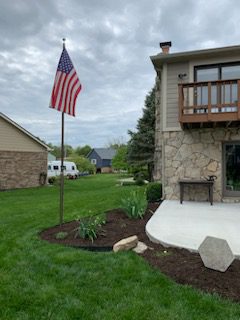
Your Essential Fall Lawn Care Tips for Indiana
Your Essential Fall Lawn Care Tips for Indiana
As the calendar turns and the air grows crisp here in Indiana, it’s the ideal time to shift your lawn-care focus from summer survival to winter preparation and spring revival. At Musselman Landscape Solutions, we believe in proactive seasonal care because a lawn that’s well prepared in fall will reward you next year with better health, color, and resilience.
Here are our expert lawn care tips for Indiana homeowners who want to go beyond the basics.
- Fertilize Smart: Feed Now, Benefit Later
Fall fertilization is one of the most effective lawn care tips we can offer. Why? Because cool-season grasses (and even many transitional grasses common in Indiana) are entering a phase where root growth becomes more important than top-growth. Supplying nutrients now gives your lawn the resources it needs to strengthen before winter dormancy.
- Choose a fertilizer with a good balance of nitrogen (N), phosphorus (P), and potassium (K). In the fall, you’ll want a formulation that emphasizes nitrogen for root and blade recovery after summer stress, and potassium for winter hardiness.
- Apply evenly and water lightly if conditions are dry. Avoid fertilizing when the soil is saturated or frozen.
Bonus lawn care tip: If you haven’t fertilized since early summer, now’s not too late. And if you have fertilized recently, you may need a light “finisher” to wrap up the season.
- Aeration: Open Up the Soil to Breathe
Indiana soils, especially those compacted by summer heat, heavy foot-traffic, or frequent mowing, benefit greatly from core aeration in the fall. Aeration helps relieve soil compaction, improves oxygen and water movement to roots, and allows fertilizer and seeds to reach deeper.
- Use a core aerator to remove plugs of soil rather than just spiking holes. This ensures meaningful relief of compaction.
- Ideal timing is early to mid-fall, once soil is still workable but before the ground freezes.
- After aeration, you can leave the plugs on the surface. They’ll break down and return nutrients to the soil. Lightly rake if you prefer a tidier look.
- Seeding: Repair, Renew, and Rebuild
If your lawn has thin spots, bare areas, or you simply want to improve your turf density, fall is the prime time to seed in Indiana. Cooler temps and more consistent rainfall help seeds germinate and establish before the rigors of next summer.
- Select a high-quality seed mix suited for Indiana’s climate. If your lawn is mostly cool-season grasses (like Kentucky bluegrass, tall fescue, or perennial rye), use a blend optimized for those varieties.
- After aeration and fertilization, spread seed at the recommended rate. Once seeded, lightly rake or roll to ensure good soil contact.
- Keep the seedbed moist until seedlings are 1–2 inches tall. Monitor watering, especially if natural rain is limited.
Bonus lawn care tip: Avoid heavy traffic on newly seeded areas until the turf is well established.
- Mowing and Clean-up: Finish Strong
While fertilizing, aerating, and seeding take center stage in terms of fall lawn care tips, don’t forget the finishing touches that make a big difference:
- Continue mowing at the proper height for your turf type. For many Indiana lawns, that means around 2.5″–3″ in the fall. Gradually lower the height a little as you approach the final mow before winter.
- Remove leaves, sticks, and debris regularly. A clean surface ensures sunlight and airflow reach the turf and prevents smothering of new seedlings.
- Consider a final “tidy‐up” mow once or twice after most leaves have fallen. This gives your lawn a neat appearance going into winter.
- Plan Ahead: Winter Prep and Spring Vision
Our fall lawn care tips aren’t just about right now, they’re also about what comes next. Here’s how to stay ahead:
- Keep an eye on weather forecasts. If an early freeze or extended frost is coming, finish seeding and fertilizing sooner rather than later.
- Reserve your professional services early for late‐fall aeration and seeding, because schedules fill up.
- Consider mulching around trees and beds to reduce stress and protect roots over winter (this complements your turf work).
- Evaluate your lawn in late winter/early spring: identify areas of concern (thinning turf, bare patches, drainage issues) so you can address them early when the ground thaws.
Get Started on These Lawn Care Tips Today!
Musselman Landscape Solutions has helped hundreds of Indiana homeowners optimize their seasonal lawn-care schedules, and the biggest success stories follow a consistent fall program: fertilize, aerate, seed, mow smart, plan ahead. If you’re looking for trusted expertise, reliable products, and an approach tailored to Indiana conditions, we’re here to help.
Give us a call at (317) 773-5399 or schedule a consultation today. Your lawn will thank you, and next spring, you’ll see the difference!
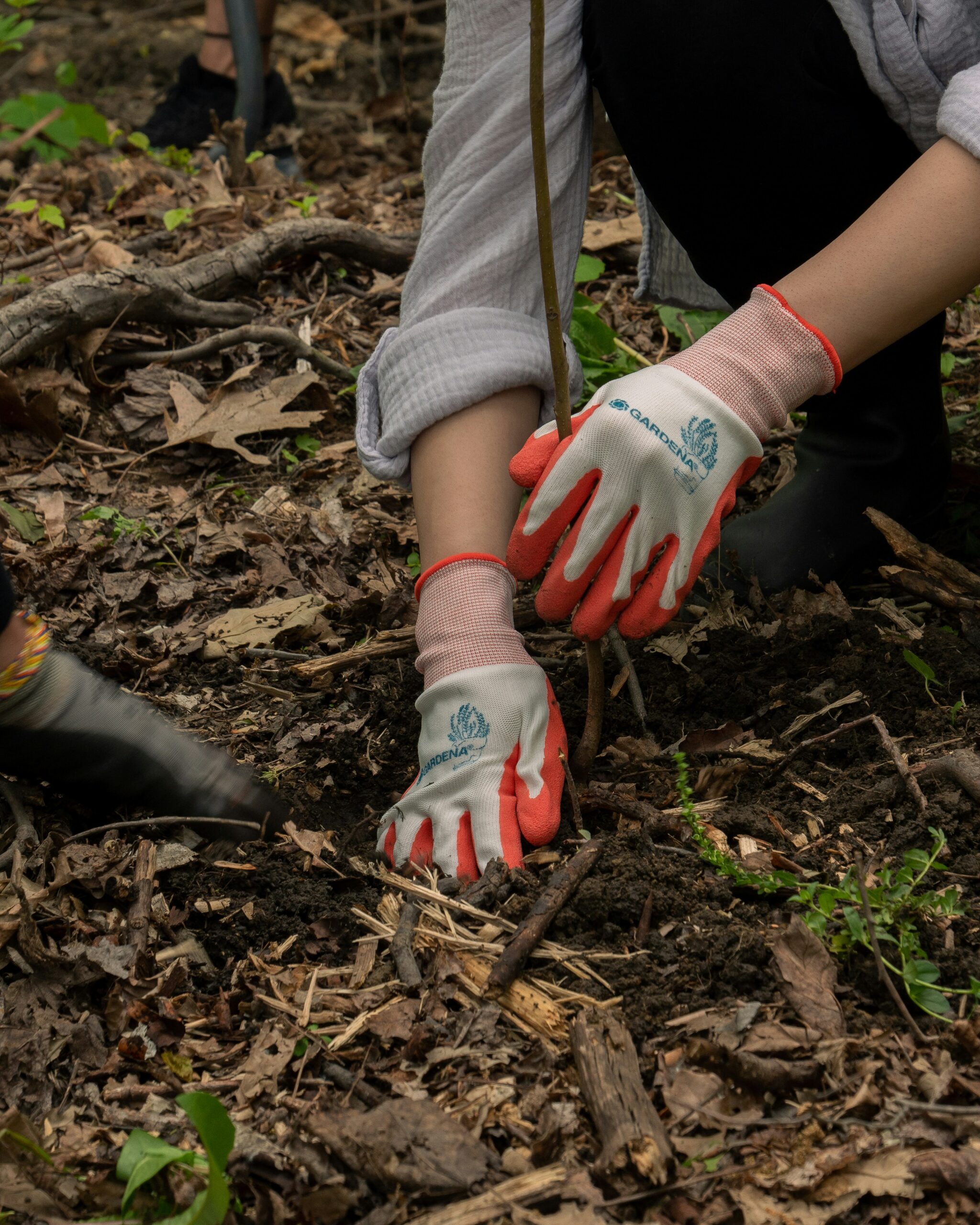
Tips for Fall Planting in Central Indiana: What to Plant and When
Tips for Fall Planting in Central Indiana: What to Plant and When
As summer winds down, Central Indiana gardeners know fall isn’t the end of the growing season; it’s actually one of the best times to plant. Cooler temperatures and increased rainfall make autumn ideal for establishing roots before winter sets in. So, whether you’re planning a fresh landscape or enhancing existing beds, knowing what to plant and when is the key to your success.
Why Fall Is Ideal for Planting
Central Indiana is fortunate to experience all four seasons, and that variety makes it a surprisingly great place for year-round gardening. However, in the fall, the soil is still warm from summer, which allows roots to grow and strengthen. Plants experience less stress from heat and evaporation, meaning they can focus on root development instead of fighting to survive. Then, when spring arrives, these well-rooted plants will thrive faster and often bloom bigger.
What to Plant This Fall in Central Indiana
Here’s what’s best to plant when you take advantage of our region’s fall planting window:
Trees and Shrubs
Fall is prime time for planting maples, oaks, and ornamental trees like dogwoods or redbuds. Shrubs such as hydrangeas, boxwoods, and viburnum also establish beautifully in cooler weather. These woody plants benefit from months of root growth before summer stress hits.
Perennials
You can add long-term beauty with perennials like coneflowers, black-eyed Susans, hostas, and daylilies. Planting in the fall allows them to build root systems that lead to fuller blooms next season.
Grasses and Groundcovers
Native ornamental grasses like switchgrass and little bluestem bring texture and movement to your fall landscapes. Groundcovers like creeping thyme and ajuga provide excellent erosion control and keep your landscape visually appealing (often retaining some foliage or texture) through the winter.
Fall Vegetables
Central Indiana’s cooler months are perfect for cold-hardy vegetables. Try planting kale, spinach, lettuce, radishes, and carrots. If frost threatens, you can protect your tender crops with row covers or cold frames to extend your harvest.
When to Plant
Now that you have inspiration for what to plant, when should you start? Your timing depends on the forecast, of course, but aim to plant four to six weeks before the first hard frost, typically by mid to late October in Central Indiana. This gives roots time to establish before the ground freezes.
Pro Tip: Start with Quality Soils, Mulch, and Supplies
Healthy plants start with healthy soil. Musselman Landscape Solutions offers high-quality soils and locally grown plants that are specifically suited for Central Indiana’s climate. Our team can help you choose varieties that will thrive in your yard’s conditions.
And don’t forget the mulch! Why is it so important? Mulch is one of the simplest and most effective tools for fall planting success. A two to three-inch layer of high-quality mulch helps:
- Regulate soil temperature, protecting new roots from sudden freezes.
- Conserve moisture, reducing the need for frequent watering.
- Suppress weeds, keeping your new plantings healthy.
- Enhance soil health as it naturally breaks down over time.
Musselman Landscape Solutions offers premium mulches in natural, dyed, and compost-enriched varieties, perfect for any landscape style. This fall, applying mulch around your trees, shrubs, and perennials helps set your garden up for even stronger spring growth.
Partner with the Pros
At Musselman Landscape Solutions, we specialize in keeping Central Indiana landscapes healthy year-round—from soil prep and aeration to seasonal cleanups. Combine our lawn expertise with locally sourced plants and products for a landscape that flourishes season after season.
Ready to plan your fall planting?
Visit Musselman Landscape Solutions for help preparing your lawn and garden for a strong start next spring.
Holiday Lighting Ideas to Make Your Home Shine
The holidays are the perfect time to let your home stand out after dark. Thoughtful holiday lighting does more than decorate; it creates warmth, improves safety, and highlights the architectural and landscape features that make your home unique. With the right plan in place, your holiday lights can feel polished and inviting rather than overwhelming.
At Musselman Landscape Solutions, we believe the best holiday light ideas balance beauty, function, and efficiency. Whether you’re decorating for the season or planning a professionally installed display, these design tips and lighting strategies will help you create a festive look that feels intentional and welcoming.
- Start with a Clear Lighting Plan
Before you hang a single strand, take a step back and decide what you want to highlight. The most successful holiday light ideas focus on a few key areas rather than trying to light everything.
Consider:
- Your roofline and entryway
- Mature trees or evergreen shrubs
- Walkways and driveways
- Architectural details like columns or gables
By choosing focal points first, your lighting feels cohesive and thoughtfully designed instead of scattered. And don’t forget to take time to clean up garden beds and refresh mulch where needed. A neat mulch edge helps define focal areas and ensures your lighting plan looks polished and intentional from the start.
- Use Warm Light for a Welcoming Glow
When it comes to holiday light ideas, color temperature matters. Warm white lights tend to feel more inviting and timeless, especially when paired with landscaping and stonework.
Tips for choosing the right lights:
- Opt for warm or soft white LEDs for a cozy look.
- Avoid mixing too many light colors unless you’re going for a playful theme.
- Use consistent tones across your home for a clean, professional finish.
Warm lighting complements your landscape and makes your home feel festive without being harsh or overly bright.
- Highlight Landscaping with Subtle Accents
Your landscape doesn’t disappear in winter, and your holiday lighting shouldn’t ignore it. Some of the most effective holiday light ideas involve softly illuminating trees, shrubs, and garden beds.
Try the following:
- Wrapping lights around tree trunks or large branches
- Uplighting evergreens for depth and dimension
- Adding low-level lighting along pathways for safety and style
These techniques add layers to your lighting design and make your outdoor space feel complete, even in the colder months.
- Prioritize Safety in Your Holiday Light Ideas
Beautiful lighting should never come at the expense of safety. Smart holiday light ideas always include proper installation and weather-ready materials.
Keep these safety tips in mind:
- Use outdoor-rated lights, extension cords, and timers.
- Secure lights properly to avoid loose wires or trip hazards.
- Avoid overloading outlets or circuits.
- Keep lighting clear of gutters, sharp edges, and flammable materials.
Professional installation helps ensure everything is secure, functional, and built to withstand winter weather.
- Choose Energy-Efficient Options
Modern holiday light ideas don’t have to drive up your energy bill. LED holiday lights use significantly less electricity, last longer, and produce less heat than traditional bulbs.
Benefits of LED lighting include:
- Lower energy consumption
- Brighter, more consistent illumination
- Reduced maintenance and bulb replacement
- Better performance in cold temperatures
Timers and smart controls can further improve efficiency by ensuring lights are only on when you want them to be.
- Create Balance with Layered Lighting
The most memorable holiday displays use layers of light rather than a single technique. Combining roofline lighting, tree accents, pathway lights, and subtle uplighting creates depth and visual interest.
Layered holiday light ideas help:
- Avoid overly bright or flat-looking displays.
- Guide the eye naturally across your property.
- Highlight both your home and landscape together.
Think of your lighting as a composition—each element plays a role in the overall effect. Mulch plays a supporting role here, too. When beds are evenly mulched, light reflects more evenly across the landscape, helping trees, shrubs, and hardscape details stand out instead of blending into the background.
Light the Way This Holiday Season with Musselman
Holiday lighting should feel festive, effortless, and beautifully designed. We help Indiana homeowners bring their holiday light ideas to life with expert design guidance, quality materials, and professional installation you can trust.
Whether you’re looking for help refining your vision or want a full-service lighting installation, our team is here to help your home stand out this season. Give us a call at (317) 773-5399 or schedule a consultation.
GMB VERSION
Holiday Lighting Ideas to Make Your Home Shine
Holiday lighting is about more than decoration—it’s about creating a warm, welcoming atmosphere that highlights your home and landscape all season long. Musselman Landscape Solutions helps Indiana homeowners turn smart holiday light ideas into beautifully designed outdoor displays.
Here are a few expert tips to guide your holiday lighting plan:
• Focus on key features like rooflines, entryways, trees, and walkways to keep your display cohesive and intentional.
• Use warm white LED lights for a classic glow that complements your home and landscaping.
• Layer your lighting with roofline accents, tree uplighting, and pathway lights to add depth and visual interest.
• Keep safety top of mind by using outdoor-rated lights, secure fasteners, and properly spaced connections.
• Choose energy-efficient options like LED lights and timers to reduce energy use throughout the season.
• Refresh mulch in garden beds before installing lights so greenery, hardscapes, and lighting stand out with clean contrast and a polished finish.
Whether you’re updating a few features or planning a professionally installed holiday lighting display, Musselman is your trusted resource for design guidance, quality materials, and expert installation.
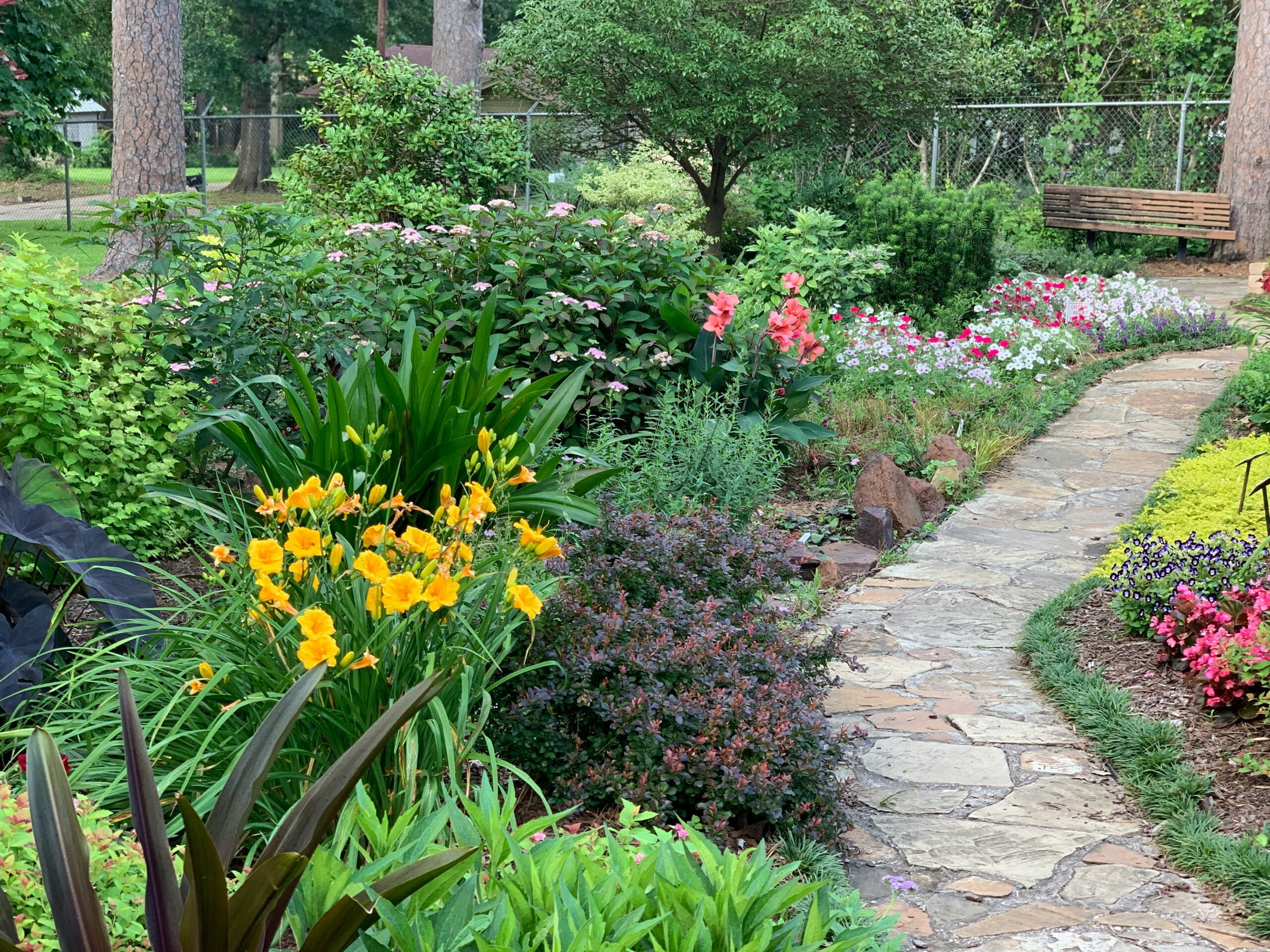
7 Gardening Ideas and Design Inspiration to Transform Your Outdoor Space
Great gardens don’t just happen—they’re carefully crafted with inspiration and intention. By designing a space that reflects your personality and lifestyle, you can create a garden that brings joy in every season. Ready to give your garden an upgrade? Here are seven inspiring gardening ideas to spark your creativity and help you craft a dream-worthy outdoor oasis.
7 Gardening Ideas to Upgrade Your Landscape
Vertical Gardens for Small Spaces
Don’t let limited space limit your gardening dreams. Vertical gardens are a fantastic solution for smaller cozier yards or urban environments. Integrate wall-mounted planters, trellises, or hanging pots around your patio or along a fence to create a lush green wall. Mix in colorful flowers with herbs and leafy greens for both beauty and functionality.
Themed Garden Spaces for a Unique Touch
Why settle for ordinary when you can design a garden with a theme? Find a garden style you like — like a Japanese-inspired zen garden, an English cottage garden, or a Mediterranean oasis. Add decorative elements throughout for extra personality. Themed gardens bring character and charm to your outdoor space.
Pro Tip: Select plants native to your theme’s region for an authentic and easy-to-maintain landscape. Need help finding the right plants? We can help.
Edible Gardens for Beauty and Bounty
Gardens aren’t only for perennials and annuals. They can become a practical source of food and key ingredients for your next cooking inspiration. But a vegetable garden doesn’t need to be its own thing. Combine beauty and practicality by incorporating edible plants into your garden design. Mix vibrant vegetables, fruits, and herbs with ornamental flowers for a visually stunning and delicious garden.
Pro Tip: Plant companion plants, like marigolds with tomatoes, to naturally deter pests and boost plant growth. Then, add mulch for ideal plant growth!
Lighting for a Magical Nighttime Garden
Transform your garden into a magical space after sunset with creative lighting solutions. Outdoor lighting boosts curb appeal while helping your gardening ideas pop. Use string lights, solar-powered lanterns, and spotlights to highlight key features and make your garden dreamy — all hours of the day.
Water Features for a Serene Atmosphere
There’s nothing like the soothing sound of running water to elevate your garden experience. Water features enhance a garden, making it truly feel like an escape. Consider adding a fountain, pond, or even a small cascading water feature to make your garden luxurious.
Native Plant Gardens for Eco-Friendly Landscaping
Native plants are plants that exist in our natural ecosystems in Indiana. Integrating native plants into your garden supports the existing ecosystems because they have developed important, often crucial, relationships with our wildlife. Embrace sustainability by designing your garden with native plants that thrive in your local climate. Plus, native gardens require less water and are more resilient to pests and diseases, making them a low-maintenance investment.
Outdoor Living Areas for Year-Round Enjoyment
Now that you’ve put all this work into cultivating a beautiful garden, it’s time to enjoy it! Maximize your garden’s potential by creating outdoor living areas. Add hardscaping or gravel pathways among your garden beds. Build a patio or deck and set up cozy seating arrangements, a dining space, or even a fire pit area. Make your garden a place you want to spend time in by blending lush greenery with practical designs.
Start Your Gardening Journey with Musselman!
Need any more gardening ideas? Start your journey with Musselman. Whether you're starting from scratch or revamping an existing space, we can help you find the innovative landscaping solutions and products you need to bring your vision to life. Order the products you need or visit our showroom for more design inspiration and expert advice!
Lawn Care for Beginners (in 5 Easy Steps)
Starting a lawn care routine can feel overwhelming if you’ve never maintained a yard before. But you don’t need to be a landscaping expert to achieve a healthy, green lawn. With just a few easy steps, we’re breaking down lawn care for beginners so you can transform your yard into a space you’re proud of. Whether you're tackling your lawn solo or looking for expert help, Musselman can be your trusted guide.
Here’s a beginner-friendly guide to getting your lawn care on track:
Step 1: Test and Prepare Your Soil
Healthy grass starts from the ground up. Testing your soil helps you understand its pH and nutrient levels so you can give your grass exactly what it needs.
A Few Tips:
- Purchase an affordable soil testing kit from your local garden center (have you checked out Greendell?)
- Look for key indicators like pH balance (ideally between 6.0 and 7.0) and nutrient deficiencies.
- Add soil amendments as needed. Lime can raise pH, while sulfur lowers it. Integrating organic compost into your soil is great for boosting nutrients.
Step 2: Choose the Right Grass for Your Region
Not all grass types thrive in every climate. Picking the right grass will save you time and frustration down the line.
A Few Tips:
- Determine whether your region is best suited for cool-season or warm-season grasses.
- Cool-season grasses (like Kentucky bluegrass) are great for northern climates, like Indiana.
- Consider a mix of grass types for a resilient, year-round lawn.
Step 3: Mow Regularly and Correctly
Mowing isn’t just about keeping your lawn tidy—it’s essential for healthy growth. But there are some right ways (and wrong ways) to mow.
A Few Tips:
- Set your mower blade to the right height. Most grass types do best when kept at 2.5 to 3 inches tall.
- Mow frequently enough that you never remove more than one-third of the grass height at a time.
- Keep mower blades sharp to avoid tearing the grass, which can lead to disease. Regular mower maintenance and cleaning can help ensure best results.
Step 4: Water Wisely
Overwatering and underwatering are common mistakes for beginners. Proper watering keeps your lawn lush and strong.
A Few Tips:
- Water early in the morning to reduce evaporation and prevent fungal diseases.
- Aim for about 1 inch of water per week, including rainfall.
- Deep, infrequent watering encourages deeper root growth compared to shallow, frequent watering.
Step 5: Fertilize and Control Weeds
Feeding your lawn gives it the nutrients it needs to grow thick and green, while weed control keeps unwanted invaders at bay.
A Few Tips:
- Apply a balanced, slow-release fertilizer in spring and fall.
- Spot-treat weeds rather than blanket spraying to protect your grass.
- Consider organic options if you’re concerned about chemicals.
Bonus Tip: Don’t Be Afraid to Ask for Help
If you’re ever unsure about your lawn care routine or need a professional touch, Musselman is here to help. Our experts can guide you through the process or take care of the heavy lifting so you can enjoy a beautiful yard without the stress. Contact us today for a consultation or to learn more about our network of landscaping experts. With Musselman by your side, you’ll be on your way to a lush, healthy lawn in no time.
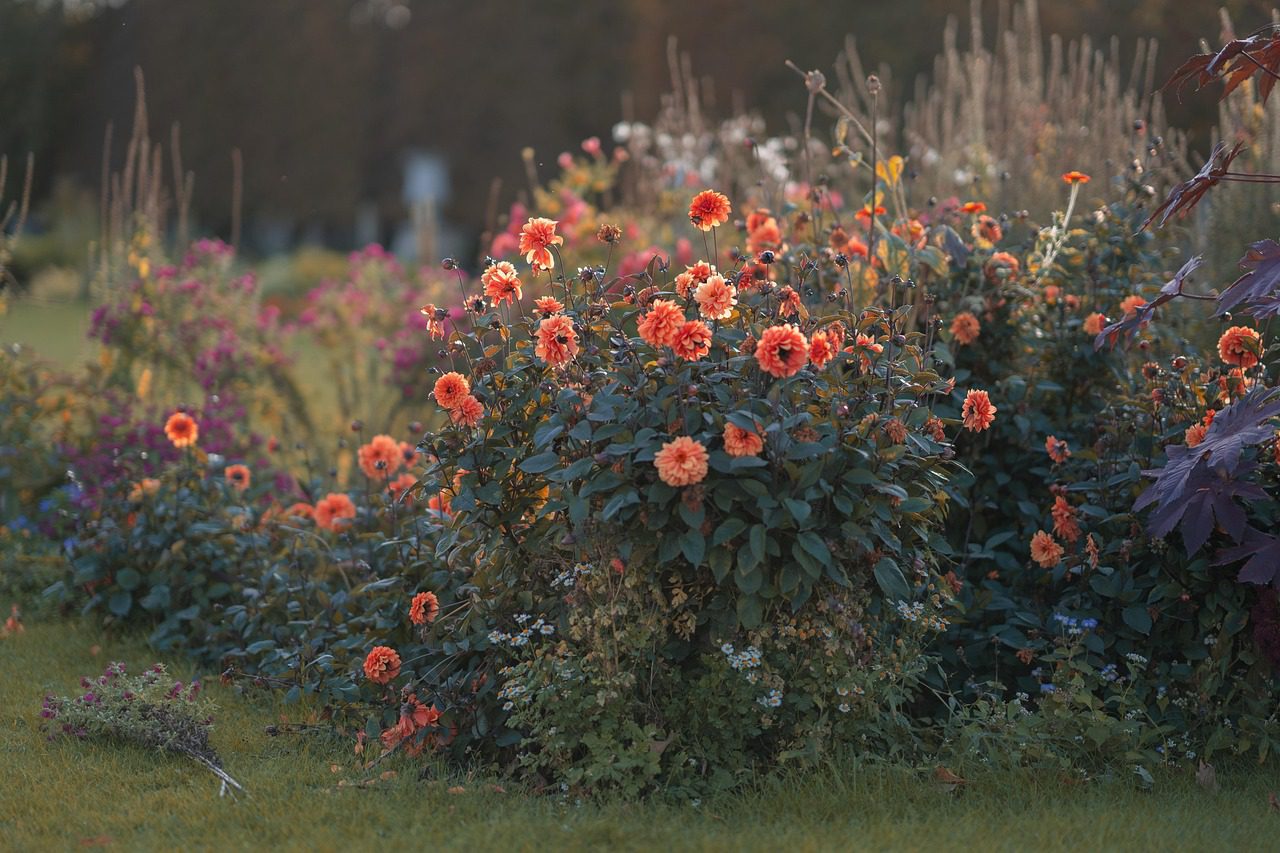
10 Gardening Tips to Take Your Green Thumb to the Next Level
It’s peak gardening season in Indiana. Are you ready to tackle it? Gardening is more than digging in the dirt—it’s about creating a space that feels alive and vibrant. But cultivating the garden of your dreams takes some strategy. To help you take your green thumb to the next level, we’ve gathered our top 10 gardening tips for 2025. Let us be your guide.
Our 10 Gardening Tips for 2025
1. Plan Before You Plant
Before you dig into your project, take the time to plan. Get to know your outdoor space so you’re setting up your plants for success. Sketch out the layout, consider sunlight patterns, and group plants with similar needs together. A well-thought-out design ensures that your plants get the right amount of sun, shade, and water to flourish all season long.
2. Feed the Soil
Healthy plants start with healthy soil. For the best outcomes, test your soil to determine its pH and nutrient levels. Is it too acidic? Are you noticing any earthworms? If your soil needs some love, amend it with organic compost or high-quality mulch to improve structure and fertility. Try mixing mulch in with your soil! This addition can help retain moisture and regulate soil temperature, giving your plants the best environment to grow.
3. Choose the Right Plants
Placing plants at random can be a costly mistake. Get to know which plants thrive in your region, then select plants suited to your climate and soil type. Consider color, texture, height, and width to make your beds aesthetic to the eye. Consider how much shade or sunlight each patch of land will get through the day. Not sure where to start? Native plants are a great option because they’re adapted to your area’s conditions and require less maintenance. Or seek expert advice from a landscaping pro (ahem…like us!).
4. Water Wisely
Plants need water, right? Right. But overwatering is one of the most common gardening mistakes. Water deeply but infrequently to encourage deep root growth. If you can, water in the early morning to reduce evaporation and give your plants time to dry before evening, minimizing the risk of disease.
5. Mulch Like a Pro
A fresh layer of mulch not only looks fantastic but also offers practical benefits. Musselman’s premium mulch helps suppress weeds, retain soil moisture, and protect plants from extreme temperatures. Spread mulch 2-3 inches thick around your plants while avoiding letting it pile up against stems. Mulch will help your plants hold on to nutrients, stay moisturized, and protected from weeds.
6. Prune Regularly
Pruning keeps your plants healthy and encourages new growth. When you remove dead branches or buds, more nutrients and energy flows to the thriving parts of your plant. Cut away dead or damaged branches, thin out dense foliage to improve airflow, and shape shrubs and trees to your desired aesthetic. And remember: always use sharp, clean tools to make precise cuts and prevent damage.
7. Compost Your Clippings
Turn garden waste into gardening gold by starting a compost pile. Composting is a resourceful way to use up grass clippings, leaves, and kitchen scraps while supporting better garden health. These materials break down into nutrient-rich compost that can be mixed into your soil. What an eco-friendly way to reduce waste and give your plants a natural boost!
8. Keep Pests at Bay
Integrated pest management is the key to maintaining a healthy garden without relying heavily on chemicals. Introduce beneficial insects like ladybugs, use natural deterrents, and keep plants healthy to prevent pest infestations. Musselman’s landscaping materials can also help create barriers that deter pests.
9. Rotate Your Crops
If you grow vegetables, practice crop rotation to prevent soil depletion and reduce the risk of pests and diseases. Carefully move plants to a new spot each season to keep the soil balanced and your harvests plentiful.
10. Love Your Landscape
Your garden is an extension of your home, so take time to enjoy it. Add pathways, seating areas, or water features to create a welcoming space where you can relax and unwind. Not sure where to start or which materials are best? Schedule time with us to explore Musselman’s landscaping products so you can design the perfect outdoor retreat.
Ready to Grow? Let Musselman Help.
At Musselman, we’re here to support you every step of the way. From our premium mulch to our expert landscaping advice, we’re committed to helping you create a garden that’s as beautiful as it is functional. Visit us today to explore our wide range of products and let us help you grow the garden of your dreams.

Choosing the Right Mulch Colors for Your Lawn and Garden
When it comes to landscaping, mulch is more than just the unsung hero that keeps weeds at bay and your plants hydrated. It’s also an easy way to add a pop of personality to your outdoor spaces. The right mulch colors can tie your garden together, adding an aesthetic appeal to your outdoor space. Let us be your guide on your journey to choose the perfect mulch colors that complements your home and garden.
5 Steps to Choose the Right Mulch Colors for Your Lawn and Garden
Step 1: Consider Your Home’s Aesthetic
Your mulch should be the Robin to your home’s Batman, providing subtle support without stealing the show. Think of your mulch as the frame for your garden masterpiece. It should complement your home without overpowering it.
Here are some quick tips:
- If your home is brick, stone, or painted in earthy hues, opt for brown mulch. Versatile and warm, brown mulch blends beautifully with nature.
- Black mulch is sleek and sophisticated, perfect for homes with contemporary designs, gray siding, or industrial finishes.
- Red mulch works wonders with tan or neutral homes, adding a bold contrast that highlights your greenery.
Step 2: Match Mulch to Your Plants
Let’s be honest. Plants are the real stars of the show, so your mulch color should highlight their natural beauty.
- Have bright green foliage? Black mulch creates a striking contrast, making green plants stand out like emeralds on velvet.
- If your garden is full of flowers, highlight them by pairing them with neutral brown mulch to avoid clashing colors.
Pro Tip: If your garden has a mix of colors, stick with a neutral mulch to keep the focus on your plants.
Step 3: Factor in Practical Needs
Mulch isn’t just about looks. Different colors can have practical benefits, too:
- Black mulch retains heat, which can help warm up your soil in early spring—perfect for jump-starting your garden.
- Brown mulch is forgiving, masking debris like fallen leaves and twigs better than its counterparts.
Step 4: Think About Longevity
Mulch fades over time, so choose a color that will age gracefully. Musselman’s premium dyed mulches are designed to resist fading longer, keeping your garden looking fresh and fabulous.
Step 5: Test Before You Commit
Not sure which color is right? Try a small patch of each mulch color in your garden to see how it looks at different times of the day. Light and shadows can dramatically change the appearance of mulch.
Find Your Mulch Match!
At Musselman, we offer top-quality mulch in a variety of colors to suit every landscape. Our products are sustainably sourced, fade-resistant, and tailored to meet both aesthetic and practical needs. Whether you’re going for rustic charm or modern flair, find your mulch match with us. Because remember, empty beds are NO fun.

The Best Mulch for Controlling Weeds
Mulch is your garden’s guard, keeping weeds out, moisture in, and your plants thriving. If you’re tired of battling stubborn weeds, it’s time to find the perfect mulch match for your garden. This spring, say goodbye to your garden’s intruders to control weeds (and keep your garden looking fabulous). Here are 4 of the best mulch options to protect your garden’s plants and beauty.
The Best Mulch for Controlling Weeds
Wood Chips:
Wood chips are like the bouncers of your garden. Without sunlight, weeds struggle to germinate and grow, making these chunky warriors the best suppressants for weeds. Wood chips create a thick, sun-blocking barrier and decompose slowly, ensuring you enjoy long-lasting weed control without constant reapplication. Not to mention, they’re great for adding a natural, polished look to your garden beds.
Need an extra layer of weed protection? Add a weed barrier fabric underneath the wood chips.
Straw:
Straw is a lightweight champion for vegetable gardens. By forming a dense yet breathable cover, straw prevents weed seeds from reaching the soil and germinating. Its airy structure allows water and nutrients to pass through to your plants while keeping weeds at bay.
Compost:
Compost mulch earns its reputation by doing double duty. A thick layer of compost smothers weed seeds while enriching the soil with essential nutrients. As it breaks down, compost mulch improves soil structure and supports healthy plant growth, creating a garden environment where weeds struggle to compete.
Shredded Hardwood Mulch:
Shredded hardwood mulch is your garden’s reliable all-season defender. Its fine texture creates a tightly knit barrier that blocks sunlight from reaching weed seeds, stopping them in their tracks. As it decomposes, shredded hardwood mulch also enriches your soil, improving moisture retention and providing nutrients to support healthy plant growth. Might we even say hardwood mulch is the best of the best? Order yours today and see for yourself!
Mulch Matchmaker: Finding Your Perfect Fit
Each type of mulch has its own strengths when it comes to fighting weeds. Whatever you’re looking for, there’s a perfect fit for your garden. Choose your mulch wisely and give weeds the ultimate knockout.
We can help. Come see us at our showroom or order your mulch online today for the best mulch in town!
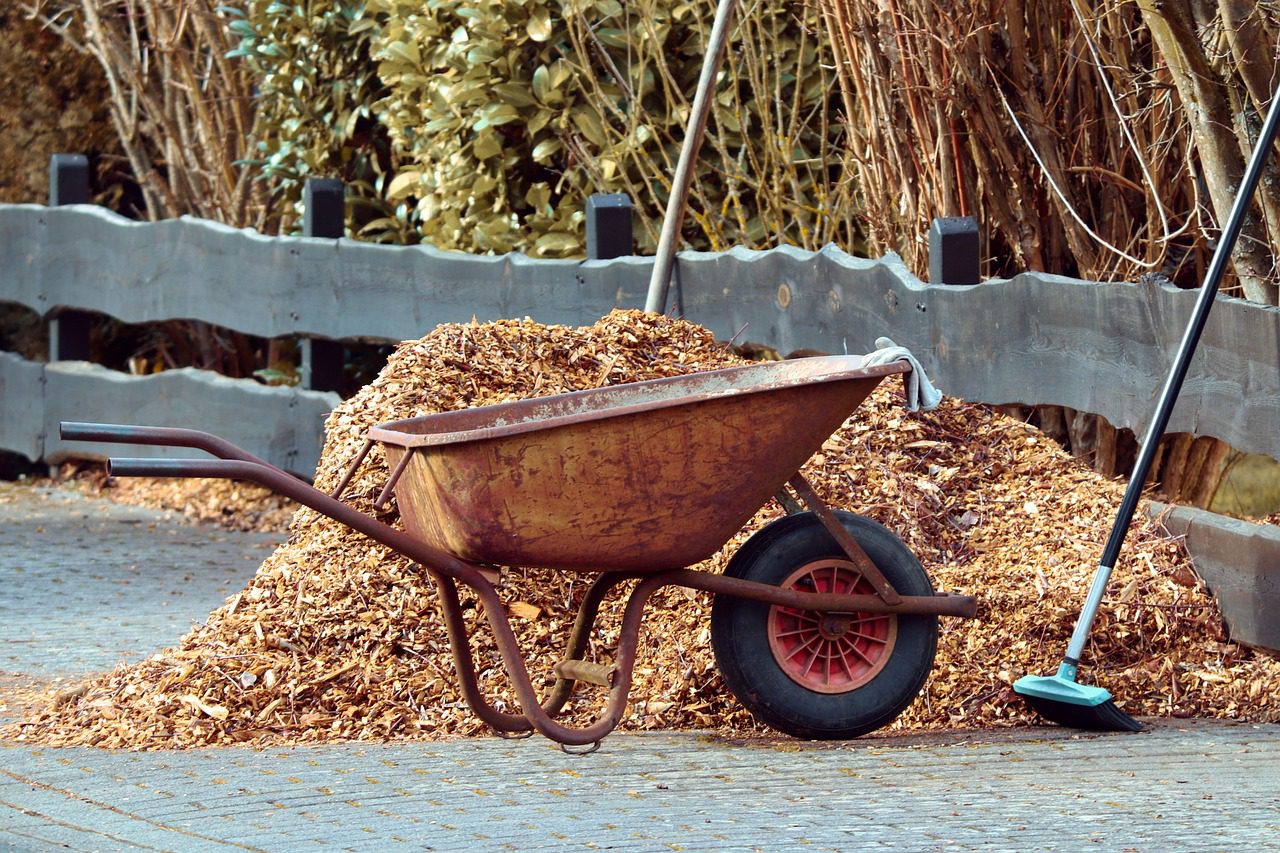
3 Types of Mulch (and Where to Use Them)
When it comes to sprucing up your yard, mulch is like the cherry on top of a landscaping sundae. Not only does it make your outdoor spaces look polished, but it also works hard behind the scenes—keeping your plants healthy, soil happy, and weeds at bay. With so many types of mulch to choose from, how do you know which is the best fit for your garden? Don't worry—we’re here to help. Let’s get our hands dirty with these 3 types of mulch and the best places to use them:
3 Types of Mulch (and Where to Use Them)
1. Shredded Hardwood Mulch
Shredded hardwood mulch is a versatile and eco-friendly choice that serves multiple purposes in your landscaping. As it decomposes, it gradually releases nutrients into the soil, enriching it over time. Its dense composition helps suppress weeds, retain moisture, and regulate soil temperature, making it a popular choice for gardens and landscapes of all sizes.
Where to use it:
- Flower beds: This mulch’s natural, earthy tones complement vibrant blooms without overpowering them.
- Around trees and shrubs: Shredded hardwood is ideal for insulating and protecting roots in varying weather conditions.
- Pathways: These types of mulch create a clean and polished look while naturally breaking down over time.
2. Sof-Step Playground Mulch
Sof-Step playground mulch is specifically engineered for safety and comfort, making it ideal for areas where kids play. Made from finely shredded wood, this mulch is softer underfoot than traditional options, cushioning falls and meeting safety standards for playground surfaces. It also offers excellent drainage and resists compaction, ensuring long-lasting performance.
Where to use it:
- Playgrounds and recreational spaces: Sof-Step provides a cushioned surface to minimize injuries in play areas. Add these types of mulch to recreational, public, or private play areas for a safe, durable surface.
3. Dyed Mulch (Black, Brown, or Red)
For homeowners who want their landscaping to stand out, dyed mulch is a fantastic option. Available in bold colors like black, brown, and red, dyed mulch holds its color longer than natural alternatives. This helps maintain a fresh, vibrant appearance for months, even in high-traffic areas or under intense sunlight.
Where to use it:
- Front yards: Dyed mulch offers bold hues that create eye-catching curb appeal from the front yard.
- Walkways and driveways: Creating a contrast in color, a dark dyed mulch highlights the structure and design of pathways.
- Garden borders: These types of mulch add definition and contrast to landscaping elements, making your flowers and shrubs stand out.
Mulch Matchmaker: Making the Right Choice
Now that you’ve met the mulch family, it’s time to pick your perfect match. After all, empty beds are NO fun. Musselman is here to help—let us be your matchmaker. We’ll deliver directly to you—just book your order today. Your dream yard is just a mulch pile away.
How to Get Rid of Common Garden Weeds with Mulch
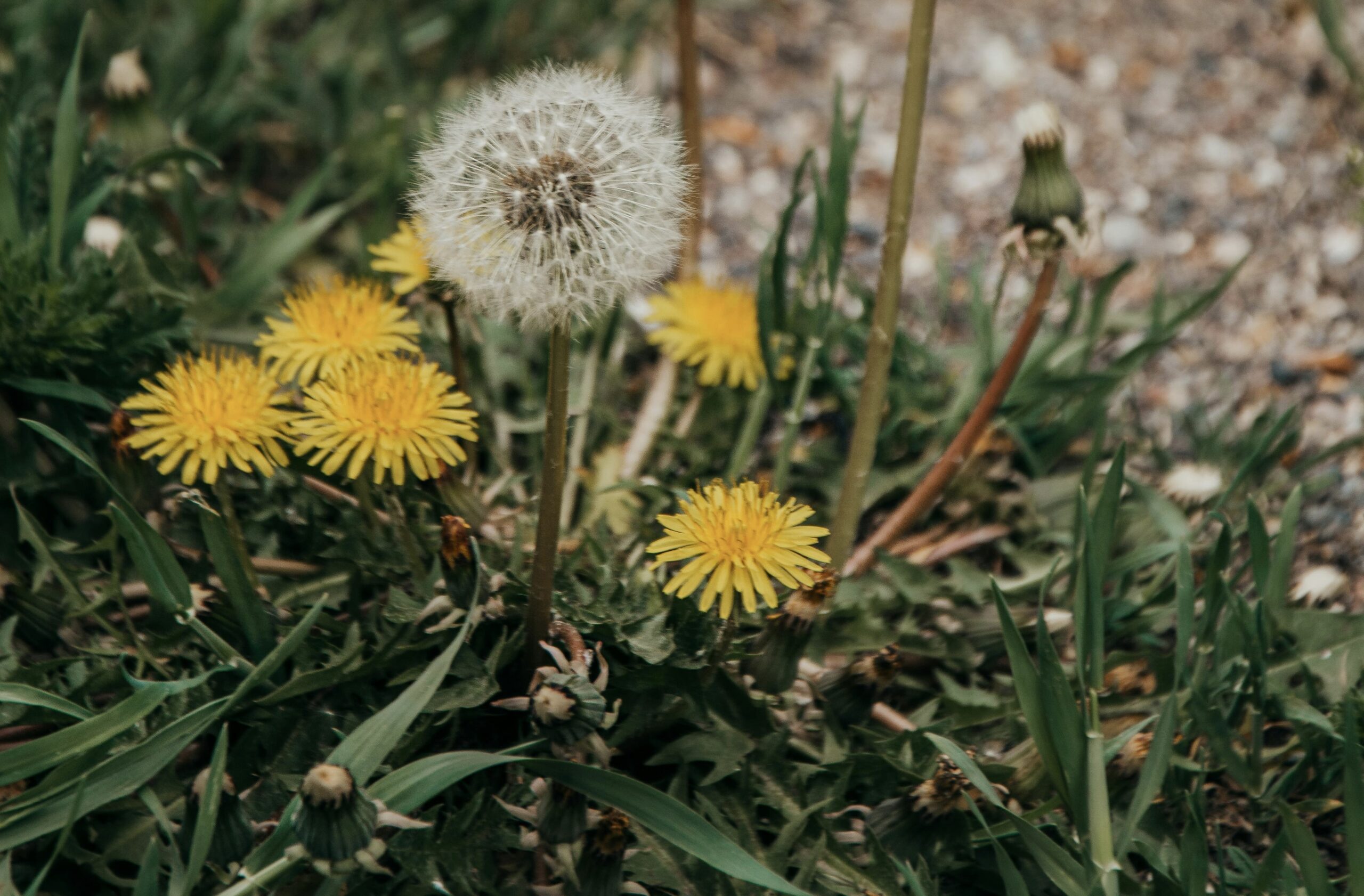
Weeds: the uninvited guests that just won’t leave. But don’t worry. There’s a clever way to keep those pesky common garden weeds at bay without breaking your back or your budget: mulch! Yes, that trusty, often overlooked garden hero can save the day. Here's your simple, step-by-step guide on how to use mulch to send weeds packing, and give your garden that polished, pristine look you’ve been dreaming of.
How to Get Rid of Common Garden Weeds
Step 1: Get the Right Mulch
First things first—it’s essential to choose the best kind for your garden. Musselman offers a range of mulches that not only look great but also do wonders for your soil (and your weed problem).
Why choose our mulch? It’s more than just eye candy. Our mulch helps retain moisture, regulates soil temperature, and, best of all, acts as an impenetrable barrier to weeds. A little goes a long way, and with our mulch delivery service, you’ll have it delivered straight to your door—no sweat.
Step 2: Clear the Area
Before you start laying down your mulch, you need a clean slate. While it’s tempting to toss mulch directly over the weeds, we promise it’ll be more effective if you do some prep work first.
- Pull existing weeds. Get your hands dirty and pull out as many weeds as possible, roots and all. The fewer weeds that remain, the better your results.
- Mow down tall weeds. If there are any stubborn weeds hanging around that you can’t get with your hands, give them a quick mow. You don’t need to make your garden look like a golf course, just trim down those tall invaders.
- Consider laying down landscaping fabric. For extra protection, you can use landscaping fabric to provide an additional layer of defense between the soil and the mulch. It’s like a secret weapon against weeds—think of it as mulch’s sidekick.
Step 3: Apply the Mulch (The Fun Part!)
Now for the fun part—putting down your mulch! Here’s how to do it right:
- Spread evenly. Use a rake or your hands (or both!) to spread a 2–3-inch layer of mulch across your garden beds. Make sure the mulch is evenly distributed to avoid patchy spots.
- Don’t pile up against plants. Keep mulch away from the stems or trunks of your plants and trees. You don’t want to suffocate them! Aim for a good, uniform layer around your plants, but leave a small gap near the base.
- Add a little extra mulch around weeds: For weeds that just won’t die, give them a little extra mulch love. Pile on a bit more mulch in those spots to ensure they get the message that it’s game over.
Step 4: Relax and Let Mulch Work Its Magic
Once the mulch is in place, kick back and enjoy the view. Your garden is now protected. The mulch will create a dense barrier that blocks sunlight from reaching weed seeds, preventing them from germinating. And, because it retains moisture, your plants won’t have to compete with weeds for water—it's a win-win!
Ready to Say Goodbye to Weeds? Let Musselman Help!
Getting rid of weeds doesn’t have to be a chore. With the right mulch, a little elbow grease, and some expert help, you’ll have your garden looking beautiful and weed-free in no time. Let’s get to work—order Musselman mulch today to get started!
Mulch Landscaping Ideas: The Dos and Don’ts of Mulching
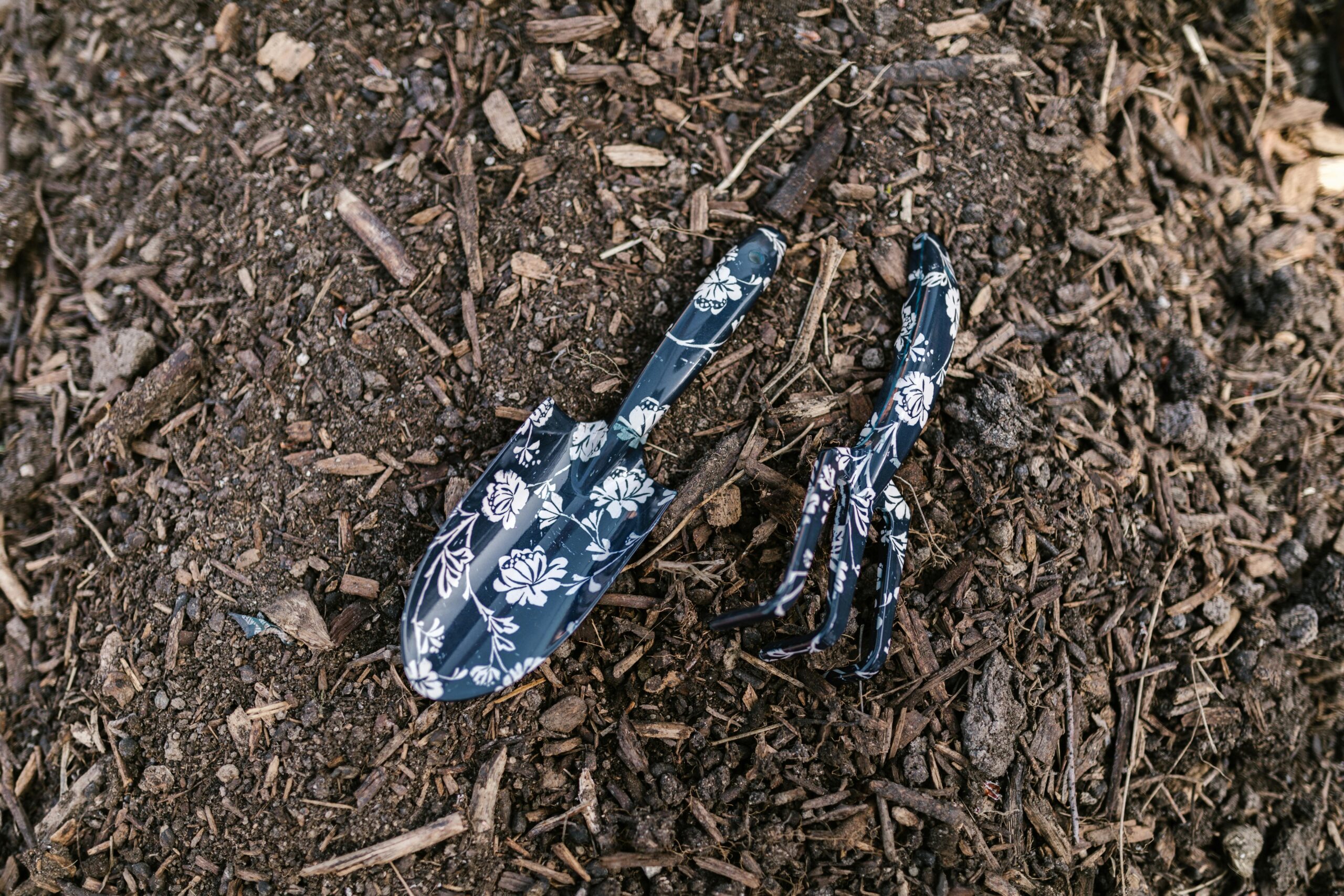
Mulch season is here, folks! It's that magical time of year when your yard gets a fresh coat of color, texture, and protection from the harsh elements. Want to get your mulching right this season? Here are a few key mulch landscaping ideas to start mulch season strong.
Mulch Landscaping Ideas—the Do’s and Don’ts of Mulching
Do Choose the Right Mulch for Your Garden
Mulch is not one-size-fits-all. There’s an entire world of mulch out there. When selecting mulch, consider your plant types, soil needs, and aesthetic preferences. Musselman offers a variety of mulch options to suit every need, ensuring your garden gets the perfect topping.
Don’t Pile Mulch Around Tree Trunks (No Mulch Volcanoes!)
We’ve all seen it—those towering mulch piles around tree trunks that resemble little volcanoes. While they may look harmless, they can actually harm your trees by trapping moisture and causing root rot. Instead, keep mulch a few inches away from the trunk and spread it evenly around the base.
Do Mulch Before the Heat Hits
Timing is everything! Mulch works its best when applied before summer’s scorching sun arrives. This helps insulate the soil and reduce water evaporation. So, don’t wait until your garden is in full bloom to get mulching—start early, and your plants will thank you!
Don’t Ignore the Soil Underneath
Mulch is a wonderful addition, but it can’t do it all on its own. Before you start mulching, make sure your soil is healthy and ready to thrive. Amend your soil with compost or organic matter as needed. A healthy soil foundation is key to long-lasting mulch success.
Do Mulch in the Right Amount
You don’t need a mountain of mulch to make a difference, but you do need enough to help your plants thrive. Aim for a 2- to 3-inch layer of mulch. Any more, and you risk smothering your plants. Any less, and you won’t reap the full benefits.
Don’t Mulch in the Rain
While a little drizzle is fine, heavy rain can turn mulch into a soggy mess. Wet mulch can compact, making it less effective at retaining moisture and potentially harming your plants. Wait for a dry day to spread your mulch, and it will stay in place and perform at its best.
Do Refresh Your Mulch Regularly
Mulch can break down over time, losing its color and effectiveness. To keep your garden looking fresh and vibrant, give it a mulch refresh every year. This also helps maintain its moisture retention and weed-blocking abilities.
Find Your Mulch Match at Musselman!
At Musselman, we believe mulch should do more than just look good—it should work hard for your garden, too. That’s why we offer premium-quality mulch that helps retain moisture, improve soil health, and, of course, add a touch of beauty to your landscape. Empty beds are NO fun. Contact Musselman today for expert advice and mulch delivery! Happy mulching!
The Benefits of Mulch: Why Your Garden Will Thank You
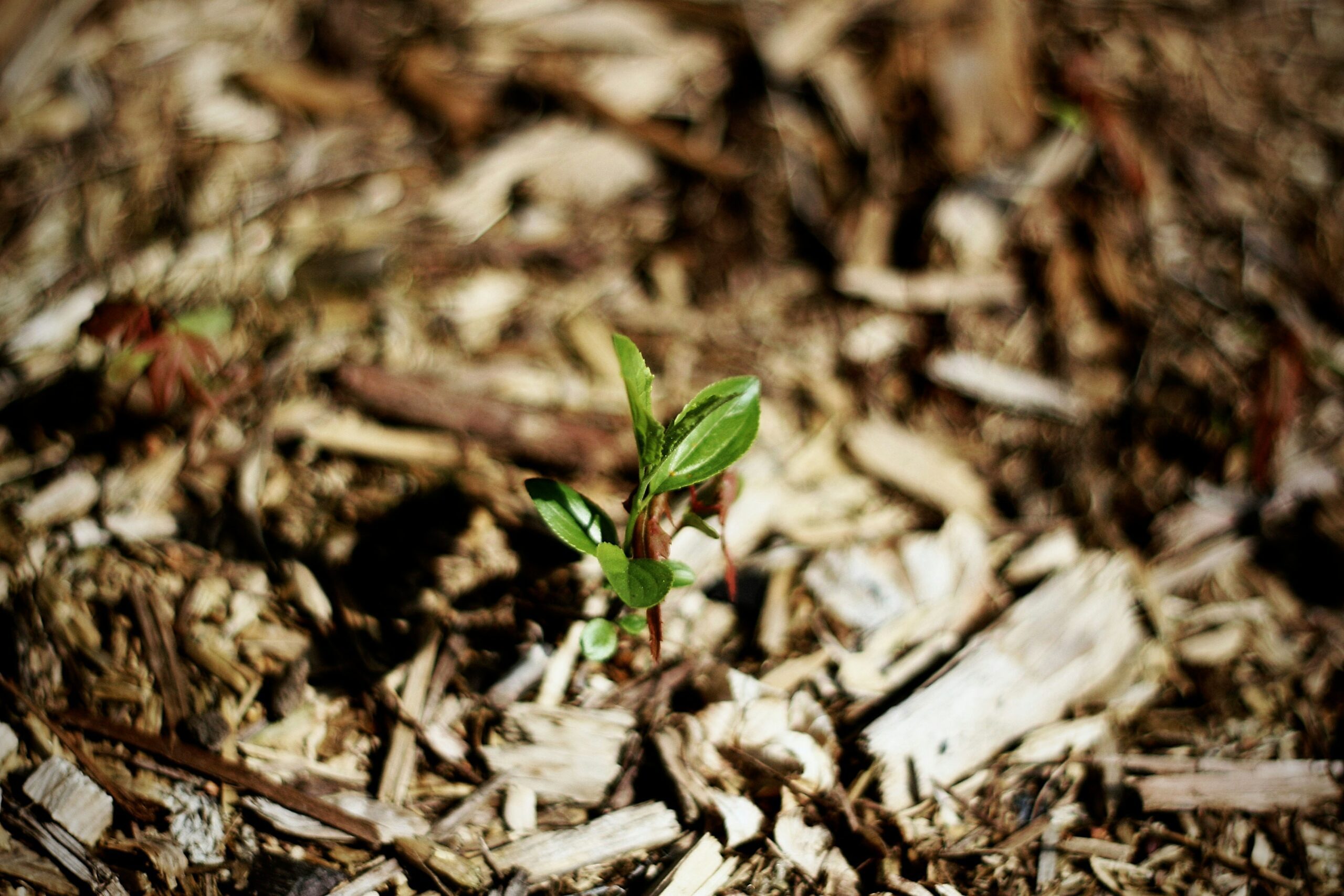
If your garden could talk, it would say, “More mulch, please!” Okay, maybe not in so many words, but mulching truly is one of the best things you can do for your plants. In fact, the benefits of mulch go far beyond making your outdoor spaces look polished and professional.
And, as mulch experts, we know a thing or two about why mulch is the MVP of garden care. Let’s break down why mulching is the ultimate garden game-changer and why you’ll want to stock up this season.
7 Essential Benefits of Mulch
1. Mulch Keeps Weeds in Check
Weeds are the uninvited guests at your garden party. But mulch helps create a barrier between sunlight and soil, preventing weed seeds from sprouting. That means less time pulling weeds and more time admiring your handiwork.
- A Musselman Tip: Lay down 2-3 inches of mulch for optimal weed control. Too much mulch, and those pesky weeds might sneak through.
2. Mulch Makes Moisture Management Easy
Your plants love water, but too much evaporation can leave them high and dry. Mulch acts like a sponge, helping the soil retain moisture and reducing the need for frequent watering. It’s a win-win for your plants and your water bill.
- A Musselman Tip: Organic mulches like wood chips or shredded bark are particularly good at locking in moisture while breaking down over time to enrich your soil.
3. Mulch Regulates Soil Temperature
Just like a good jacket, mulch helps your soil stay cozy in the winter and cool in the summer. This temperature regulation protects plant roots from extreme weather changes, keeping your garden healthier year-round.
- A Musselman Tip: Fall and winter are great times to add a thicker layer of mulch to protect your plants from freeze-thaw cycles.
4. Mulch Improves Soil Health
Think of mulch as a multivitamin for your garden. As organic mulches decompose, they release nutrients into the soil, improving its structure and fertility. Healthier soil means healthier plants.
- A Musselman Tip: Use high-quality mulch to maximize these soil-enriching benefits. We’ve got you covered with premium options.
5. Mulch Reduces Erosion
Heavy rain can wash away your soil, but mulch steps in as a protective shield. By covering bare soil, mulch minimizes the impact of raindrops and reduces the risk of erosion.
- A Musselman Tip: For sloped gardens, apply mulch carefully and secure it with landscaping fabric or netting for extra stability.
6. Mulch Boosts Curb Appeal
Mulch isn’t just functional; it’s fashionable! A fresh layer of mulch instantly upgrades the look of your garden beds, giving your outdoor space a polished, professional appearance. With different colored mulches, you can even customize your garden’s aesthetic.
- A Musselman Tip: Refresh your mulch annually to keep it looking vibrant and fresh. We can help you choose the perfect type for your landscape design.
7. Mulch Prevents Soil Compaction
Compacted soil can stifle plant growth, but mulch creates a cushion that absorbs the weight of foot traffic and heavy rain. This helps keep your soil light and airy, perfect for strong root development.
- A Musselman Tip: Apply mulch evenly and avoid piling it too close to plant stems or trunks to prevent rot.
Find Your Mulch Match with Musselman!
At Musselman, we’re not just passionate about mulch—we’re experts. Let’s make this mulch season the best one yet. Order your mulch delivery today or schedule a consultation at our showroom to make your mulch selection. We promise–-your garden will thank you.
When to Mulch to Help Your Garden Thrive
When to Mulch to Help Your Garden Thrive
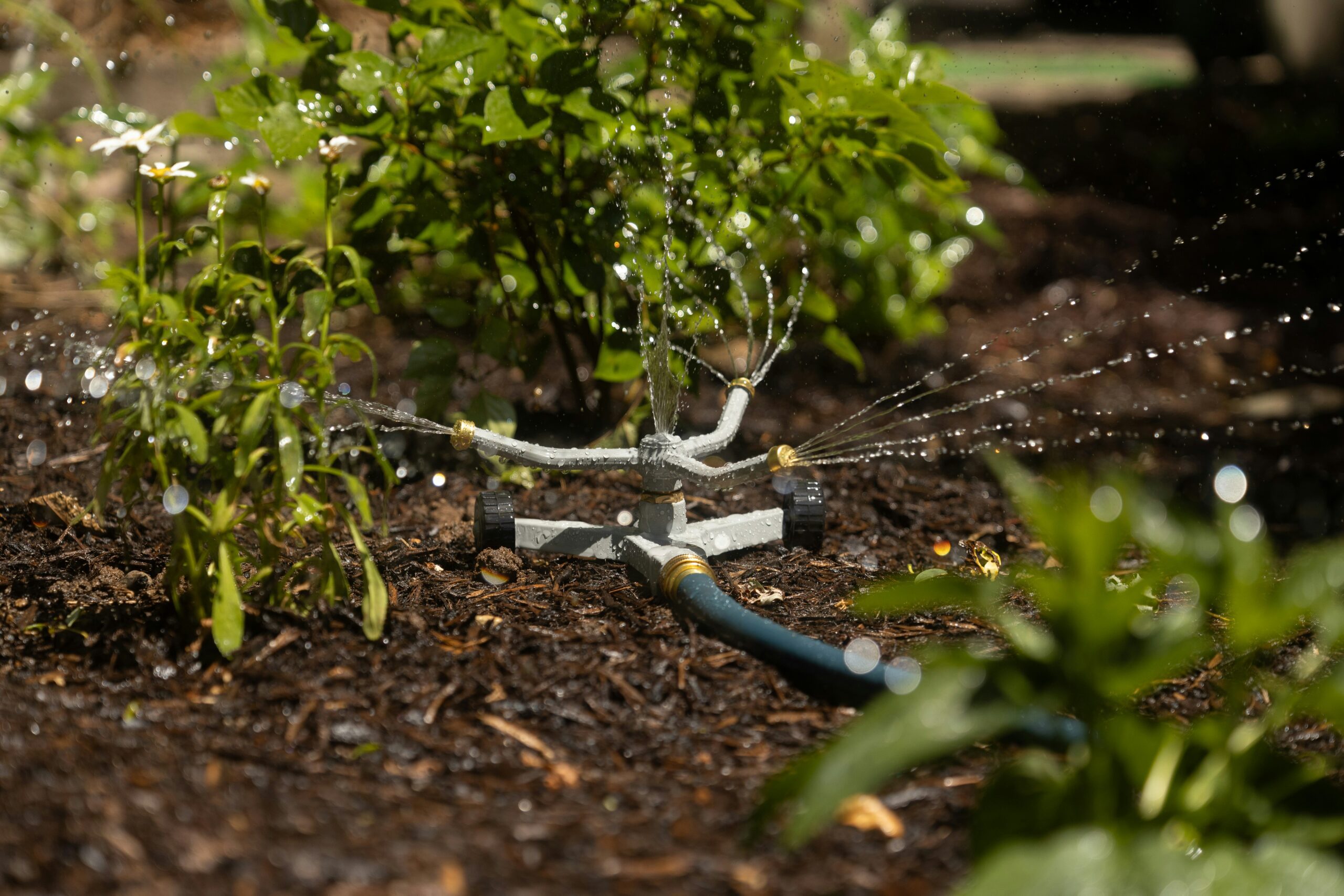
Mulch—the unsung hero of gardens everywhere. You might think it’s just a fancy word for bark chips, but mulch is so much more. It’s your garden’s cozy blanket, its all-weather armor, and its secret sauce for thriving plants. But timing is everything. Apply mulch at the wrong time, and you could be doing more harm than good. Not to worry. We’re here to guide you on when to mulch throughout the year to help your garden thrive.
When to Mulch: A Guide for Every Season
Spring: Mulch’s Time to Shine
Spring is the superstar season for mulching. As the soil warms up from its winter slumber, adding mulch helps retain warmth while keeping weeds from making an unwelcome appearance.
Here’s how to do it right:
- Wait for the thaw: If the ground is still frozen, hold off on mulching. Trapping cold soil beneath a layer of mulch can delay plant growth.
- Clean house: Clear away any old mulch, debris, or leftover leaves before laying down a fresh layer. Think of it as a spring cleaning for your garden beds.
- Spread wisely: Aim for about 2-3 inches of mulch. Too much, and your plants will suffocate. Too little, and weeds will have the last laugh.
Want to get a head start on your mulching? Order bulk delivery today.
Summer: Mulch as the Garden’s Sunscreen
As summer heats up, mulch steps up as your garden’s personal SPF. It keeps the soil cool, locks in moisture, and prevents your plants from drying out. If you mulched in spring, you’re golden! Just check if it needs a little top-up to maintain that protective layer. Remember, summer is about maintenance, not overhauls.
Fall: Mulching’s Undercover Operation
Fall mulching is less about show-stopping blooms and more about prepping your garden for the winter.
Here’s what to do:
- Wait for the drop: After the first hard frost, add a layer of mulch to insulate the soil and protect plant roots from the freeze-thaw cycles of winter.
- Go thicker: In fall, a 3–4-inch layer works best. This keeps your soil cozy without inviting pests to make a winter home.
- Use organic mulch: Materials like shredded leaves or straw work wonders as they break down over the winter and enrich your soil for spring.
Winter: To Mulch or Not to Mulch?
Winter mulching is like the cherry on top of your garden prep. If you didn’t get to it in the fall, it’s not too late to add a protective layer before the snow really piles up. Just remember: winter mulch is about insulation, not decoration. Keep it natural and focus on protecting perennials and shrubs.
Get Your Mulch Today!
As we gear up for spring, now is the time to find your mulch match with Musselman. Order ahead today to prep your spring order. Remember—empty beds are NO fun. So, grab a rake, and let mulch work its magic!
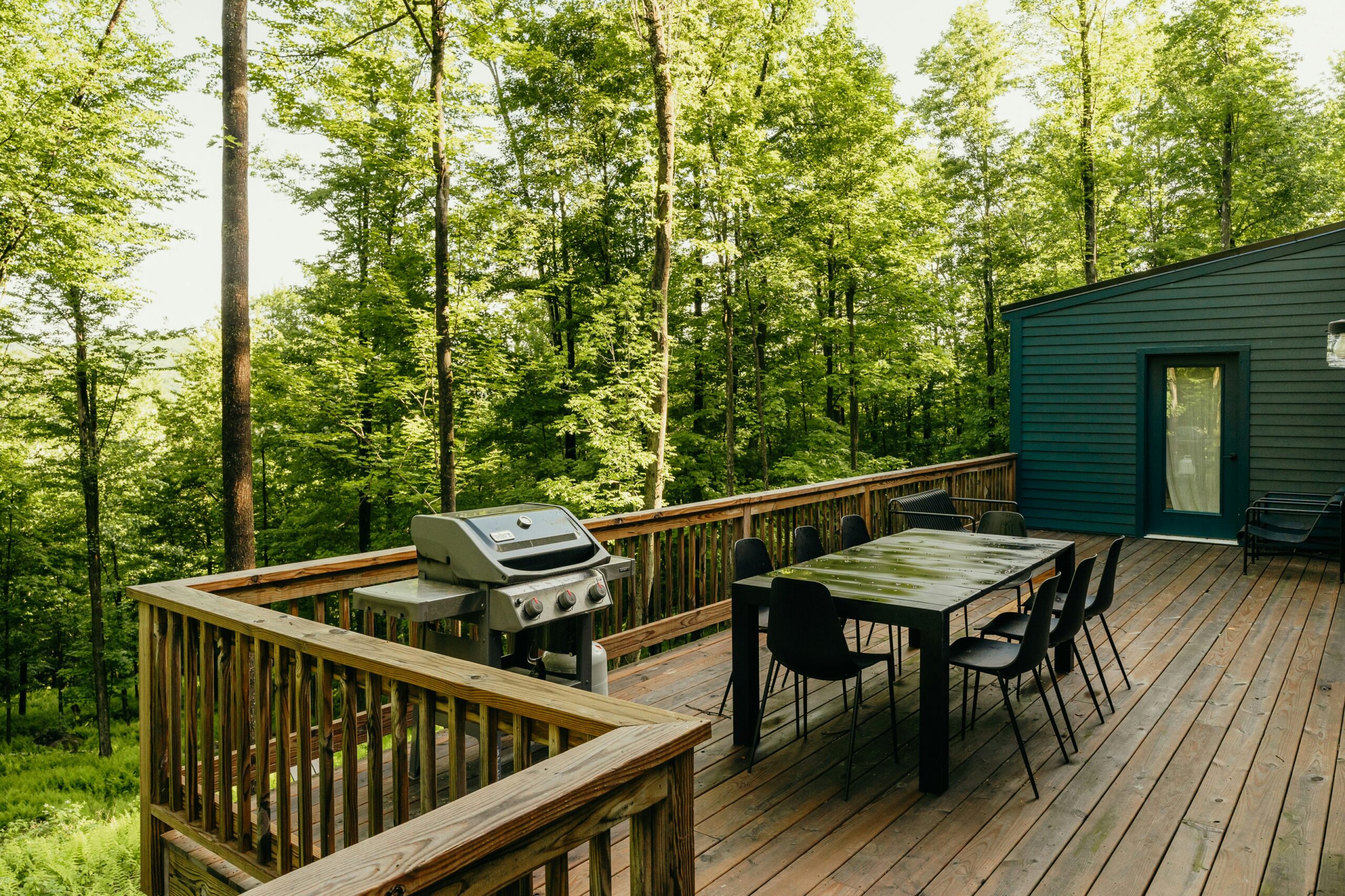
5 Deck Ideas for the Ultimate Backyard
Is your deck looking a little…sad? If your idea of a “fun outdoor space” is an old folding chair and a cracked table, we’ve got some better ideas. With a few tweaks and a little creativity, your deck can go from drab to fab in no time. Here are five deck ideas that’ll make you want to spend every moment outdoors—and maybe even cancel that trip to the beach.
5 Deck Ideas for the Ultimate Backyard
1. Multilevel Decks for Multifunctional Spaces
Why settle for one level when you can create a dynamic, multifunctional outdoor area? Multilevel decks divide your space into zones for different activities. Picture an upper-level dining area with a table and chairs, a mid-level lounge with comfortable seating, and a lower level for a hot tub or fire pit. Multilevel designs also help maximize yard space on sloped terrain, offering stunning visual interest and functionality.
Pro Tip: Use outdoor lighting strategically on steps and railings to enhance safety and add a warm, inviting glow in the evenings.
2. Outdoor Kitchen and Dining Deck
Bring the heart of the home outdoors with an outdoor kitchen and dining setup on your deck. A built-in grill, mini-fridge, and countertop space make alfresco cooking a breeze. Pair this with a sturdy dining table, chairs, and shade features like pergolas or umbrellas to create a welcoming space for entertaining.
Pro Tip: Use durable, weather-resistant materials like stainless steel for your appliances and treated wood or composite decking to withstand the elements.
3. Cozy Covered Decks
A covered deck is perfect for year-round use, protecting you from the sun, rain, or snow while still enjoying the fresh air. Whether it’s a simple awning, a full roof, or a retractable canopy, a covered deck provides versatility and comfort. Add cozy furnishings, string lights, and weather-proof textiles to create a snug atmosphere.
Pro Tip: Incorporate ceiling fans or heaters so your deck stays comfortable no matter the season.
4. Natural Integration with Landscaping
Blend your deck seamlessly with your backyard’s natural surroundings by integrating landscaping elements. Think built-in planters, wrap-around seating with greenery, or decks designed around existing trees. A deck designed to complement your yard’s flora can create a harmonious and tranquil space. Need help picking out the right plants to integrate with your deck? Check out the Greendell Garden Center.
Pro Tip: Use earthy tones and natural materials like stone accents or wood stains that mimic the colors of your garden.
5. Entertainment-Focused Decks
Turn your deck into the ultimate entertainment zone! Install features like a built-in bar, sound system, or outdoor TV for game nights and movie screenings. Add a fire pit surrounded by comfortable seating to keep guests cozy during cooler evenings.
Pro Tip: Opt for weatherproof technology and furniture to ensure durability and long-lasting fun.
Make Your Deck Dreams Come True
Your backyard deck gives you the opportunity to create a personal retreat tailored to your tastes and needs. Whether you prioritize entertaining, dining, or simply relaxing, there’s a design perfect for you.
Need help bringing your deck ideas to life? Contact us today for expert design and installation services, or stop by our showroom to see our selection of decking materials, and let’s turn your backyard into the ultimate outdoor escape.
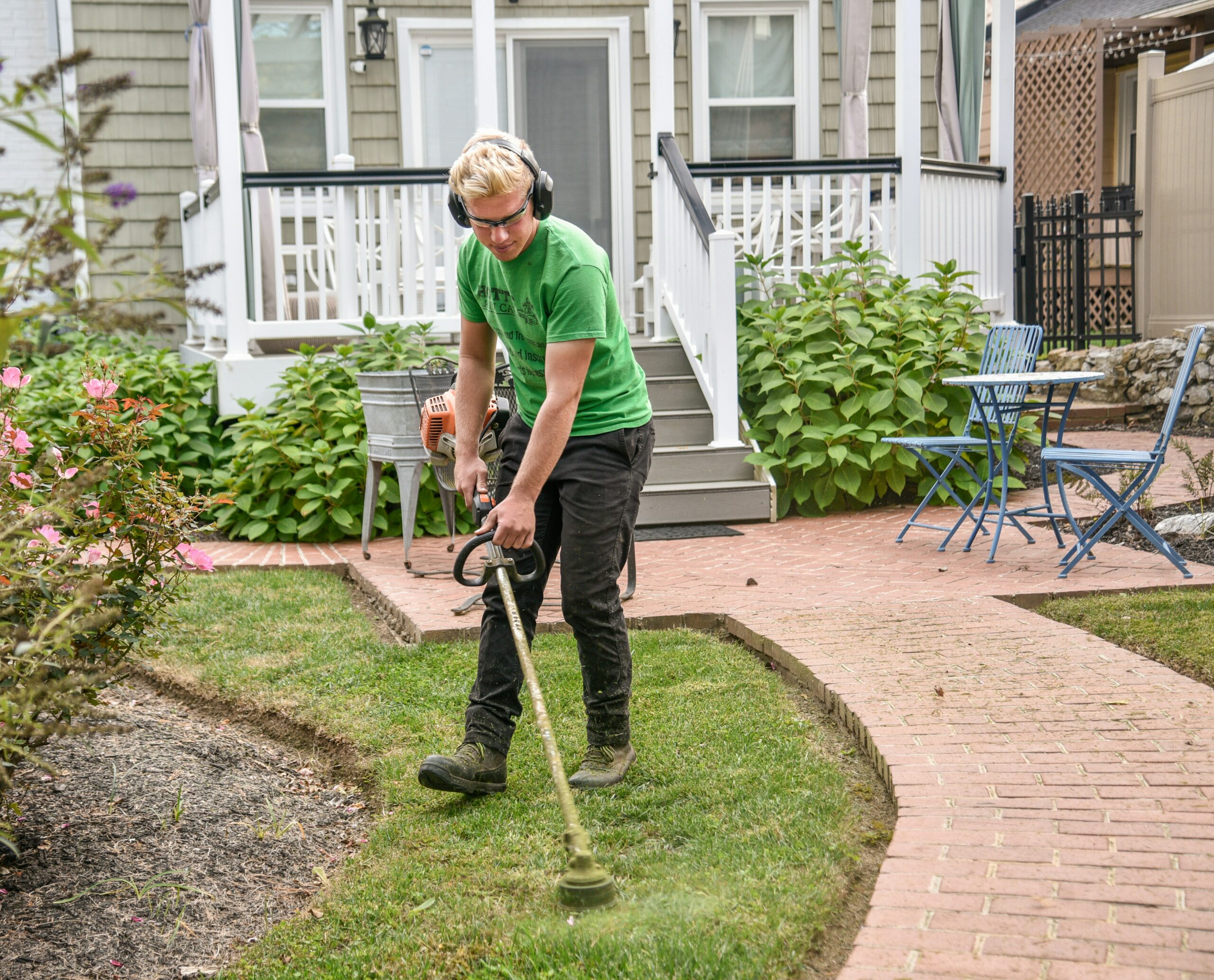
How to Pick the Right Landscape Services This Spring
How to Pick the Right Landscape Services This Spring
It may still be cold outside, but spring is just around the corner. Jumpstart your springtime garden refresh and find the right landscape services now to set the stage for a vibrant and functional yard when warmer days arrive.
Dreaming of a complete yard transformation? Simply need help with routine maintenance? With our guide, start your journey to find the best provider to bring your landscaping vision to life.
3 Steps to Guide Your Landscape Services Search
Step 1: Assess Your Needs
Before you begin searching for landscape services, take some time to assess what you need. Are you looking for a full-scale redesign? Ongoing lawn care? Or just have some specific tasks you need help with––like planting or mulching? Write down your priorities. Then, consider how much work you’re willing to handle yourself versus what you plan to leave to the professionals. Casting a realistic vision will help you find a provider with the right expertise and services.
Step 2: Know Your Budget
Landscaping projects can vary widely in cost. Avoid overspending by setting a reasonable budget based on the scope of your project and your financial comfort level. Remember to leave a little wiggle room for any unexpected costs. Pro tip: Take advantage of free consultations or quotes offered by providers to compare pricing and ensure your budget aligns with your landscaping plans.
Step 3: Research Your Options
Don’t simply commit to the first provider you find online. Use your extra time indoors this winter to research the landscape services in your area. Search through online reviews and social media or ask neighbors or friends for recommendations. Shop small and look local (like right here!) to guarantee a provider who’s familiar with your regional climate and plants. Take note that landscaping services vary dramatically. So, get to know each provider’s service offerings to ensure they cover what you’re looking for.
Look No Further for Landscape Services: We’re Here to Help!
Finding the right landscape services this spring doesn’t have to be daunting. With our guide, confidently select a provider that fits your vision.
In fact, we’ll give you a head start––look no further than right here. At Musselman, we bring local expertise and quality landscaping––directly to your front door. Schedule a visit to our showroom today to consult an expert and swipe right on your dream yard this spring.