

What type of mulch is the best for plant growth?
Alright, plant pals, let's talk about the secret sauce of gardening - mulch! Now, I know what you're thinking: "It's just stuff you throw on the ground, right?" Wrong! Choosing the right mulch can be like giving your plants a nutritious smoothie and a cozy blanket all in one.
So, what's the best mulch for helping your green buddies thrive? Well, it's not a one-size-fits-all situation. Your plants are as unique as your Netflix watchlist, and they've all got their own preferences. But let me spill the tea on some top-tier mulch options that plants generally go nuts for:
Compost is like the superhero of mulches. It's packed with nutrients that'll make your plants do a happy dance. Plus, it improves your soil faster than you can say "photosynthesis."
Bulk mulch? It's the long-lasting, good-looking choice. The mulch break down slowly, feeding your soil over time, and it's great at keeping the moisture in. It's like giving your plants a spa day, every day.
Straw or hay is perfect if you're growing veggies. It's cheap, it keeps the soil moist, and it makes your garden look like a quaint country scene. Just watch out for seeds in the hay - you don't want to accidentally plant a meadow!
Leaves are nature's freebie. They're great for your soil and can be a cozy winter blanket for your plants. Just shred them up first, unless you want them blowing all over your yard like confetti.
Now, here's the golden rule of mulching: keep it 2-4 inches thick. Any less, and you're not getting the full benefit. Any more, and you might suffocate your plants (talk about too much of a good thing!).
Oh, and pro tip: keep the mulch away from plant stems. You want to protect your plants, not give them root rot!
Remember, organic mulches break down over time. That's good news for your soil, but it means you'll need to top it up now and then. Think of it as a regular spa treatment for your garden.
So there you have it, folks! With the right mulch, you'll be well on your way to a garden that's so lush, the neighbors will be green with envy. Happy mulching!

Should mulch be replaced every year?
Hey there, green thumb! Let's talk mulch - it's not as boring as it sounds, I promise!
You know, a lot of folks think they need to replace their mulch every single year, but that's not always the case. It's more about keeping an eye on it and giving it some TLC when needed.
If you've gone for organic mulch - you know, the woody stuff - yeah, you'll probably need to top it up yearly. But here's the cool part: as it breaks down, it's actually feeding your soil. Nature's own compost, right? Just chuck on an inch or two each year, and you're golden.
Now, if you're more of a stone person, you've hit the jackpot. That stuff's like the energizer bunny - it keeps going and going. A bit of raking or a quick clean now and then, and you're sorted.
Of course, how often you need to refresh your mulch depends on a few things. If you live somewhere with crazy weather, or if your plants are particularly thirsty, you might need to mulch more often. And let's be honest, if you skimped on quality the first time around, you're gonna pay for it later.
Here's a pro tip: give your mulch the once-over each year. You want it to be about 2-4 inches deep. If it's looking a bit thin or starting to resemble soil more than mulch, it's time for a top-off. And if it's getting all compacted and funky, don't be afraid to get rid of the old stuff before adding fresh mulch.
Why bother with all this? Well, apart from making your garden look like it belongs in a magazine, fresh mulch is like a superhero for your plants. It keeps those pesky weeds at bay and helps your soil hold onto moisture like a champ.
So there you have it! You don't need to go mulch-crazy every year, but a little bit of love goes a long way. Your plants (and your water bill) will thank you!
Need any more gardening wisdom? I'm full of it - the wisdom, that is, not the mulch!
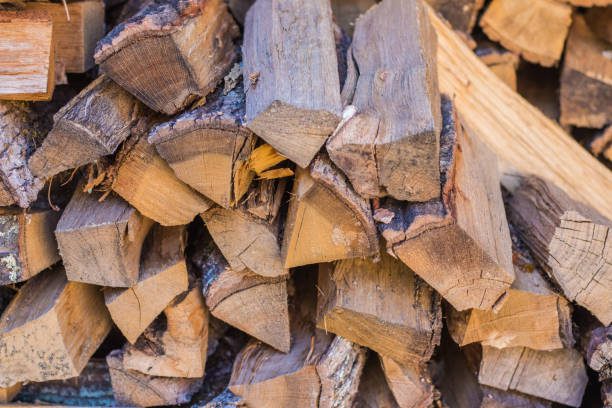
How Much Firewood Will I Need Over the Winter?
How much firewood will I need over the winter?
Let’s talk about stocking up on firewood for the winter. There’s nothing worse than running out of wood mid-February when it’s colder than a snowman’s nose outside!
How Much Wood Do You Need?
- Consider Your Home Size: Is your home more cozy cottage or Home Alone style sprawl? Bigger homes naturally require more fuel.
- Insulation: Well-insulated homes need less wood. If your house is drafty, thinking about doubling your estimate.
- Burning Habits: Are you lighting a fire every night, or only on special occasions? Your burning habits make a huge difference.
- Fireplace/Wood Stove Efficiency: Is your fireplace or wood stove a modern, efficient model or a bit older? Older models consume more wood.
- Type of Wood: Different types of wood burn differently. Oak burns longer, while pine burns faster.
Rough Guide to Firewood Needs:
- Occasional Ambiance: 1-2 cords
- Supplemental Heating: 2-3 cords
- Main Heating Source for a Small Home: 4-5 cords
- Primary Heating for a Larger Home: 6-8 cords
Remember, a cord is 128 cubic feet of stacked wood. Picture a pile 4 feet high, 8 feet long, and 4 feet deep. That’s a cord!
Now, go forth and stack that wood. Winter is coming, and you’ll be ready to enjoy cozy nights by the fire!
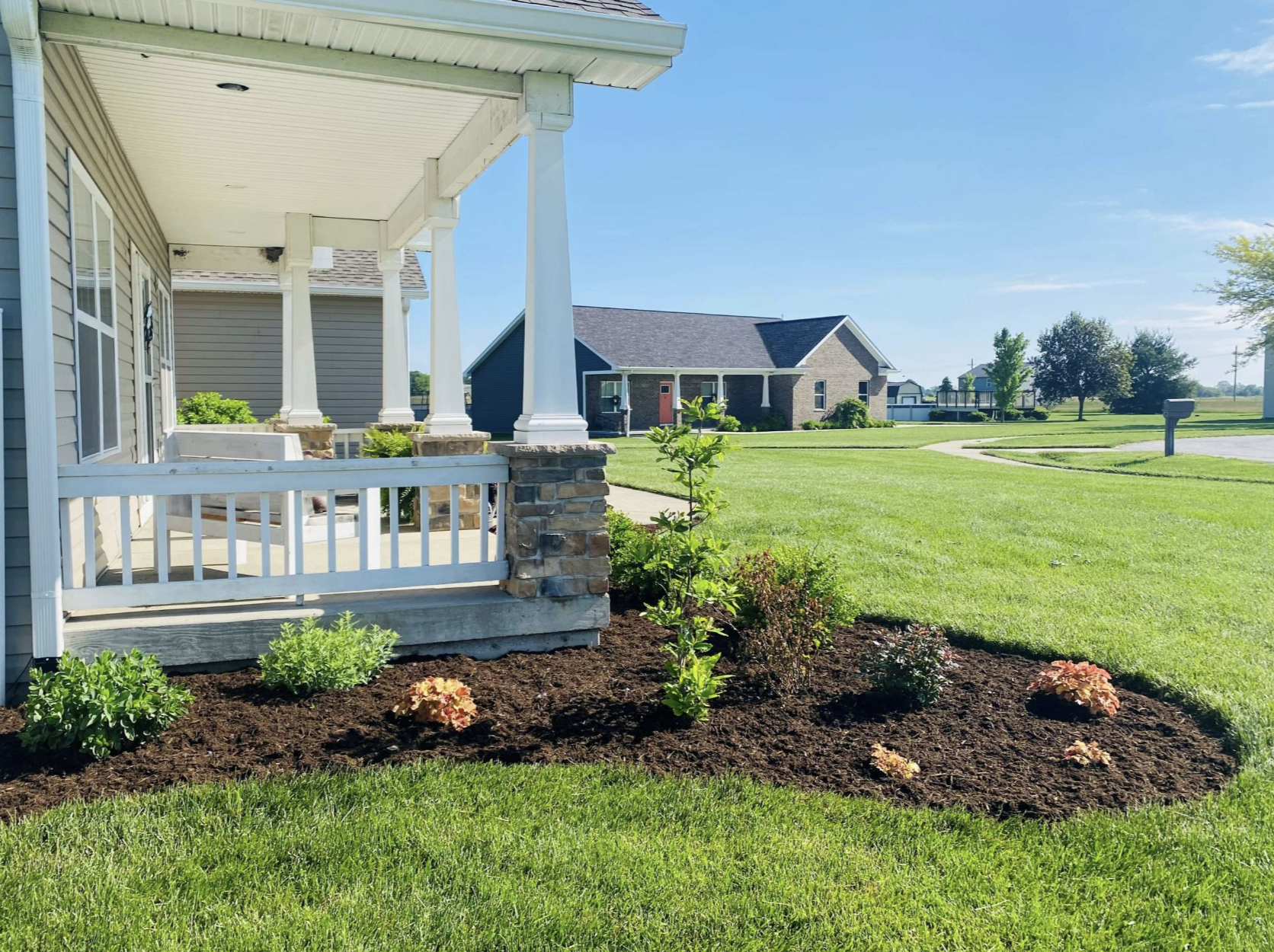
How Do I Calculate How Much Mulch I Need?
"How do I calculate how much mulch I need?" Are you asking this same age-old question every spring? It's time to tackle this not-so-thrilling but oh-so-important task of figuring out how much mulch you need. We’ve got you covered.
Don’t worry if you haven’t thought about a right angle since high school – just follow these steps:
- Do you have a neat rectangle to mulch? Multiply length by width.
- Dealing with a circle? Channel your inner pi enthusiast and use πr².
- Do your beds look more like a Picasso painting? Just break it down into smaller shapes and add them up
- How deep do you want to go? The sweet spot is usually between 2 to 4 inches.
Here’s where it gets a little mathy (but we promise, it’s not too bad). We need to turn that area into volume.
- Multiply your area by the depth you want, and voila! You’ve got cubic feet.
- Need cubic yards instead? Just divide by 27.
Now, if you’re more of a ‘click a button and get an answer’ type – you are in luck.
Our Mulch Calculator will do all the heavy lifting! Plug in your numbers, and let it do its thing.
Need a pro tip? It’s always smart to buy about 10% more than you calculated. Uneven ground or extra coverage for stubborn weed areas can eat up your mulch faster than expected. Plus, a little extra mulch never hurt anybody—it’s better to have a bit left over than to come up short!
Need Help? We're Just a Call Away!
No need to ask "how do I calculate how much mulch I need" any longer. Still feel stumped? Your Musselman team is always here to help – so reach out with any questions. We love to chat all things mulch-related. Empty beds are NO fun.
